A Former Park Ranger’s Guide for First-Time Visitors to Yosemite National Park
Disclosure: This post includes affiliate links and sponsored content for products and experiences that I actually do use, recommend, or think are worthwhile. I may earn a commission if you click through.
The best job I ever had was working at Yosemite as a seasonal park ranger. I was only there for one season, but during that season I discovered more of the park than most people do in a lifetime.
My job was very unique and the only one like it in the whole park. I did two things: write the park newsletter that every visitor receives at park entrances and hike throughout the entire park to inventory interpretive signs. I was both book smart and street smart when it came to knowing how to travel in Yosemite.
When I wrote for NPS (National Park Service), I had to be objective and unbiased, but now that I’m my own boss, I’m excited to divulge how I really feel! In this guide for beginners to Yosemite, learn the true best spots in the park, from the best hikes to the best scenic views.
I got to hike nearly every single trail in Yosemite, including Half Dome and Cloud’s Rest, and I’ll recommend a few below, but check out my blog post where I rank Yosemite’s most popular trails and reveal hidden gems that are great alternatives to the overly crowded trails everyone else will be on.
Regions of Yosemite
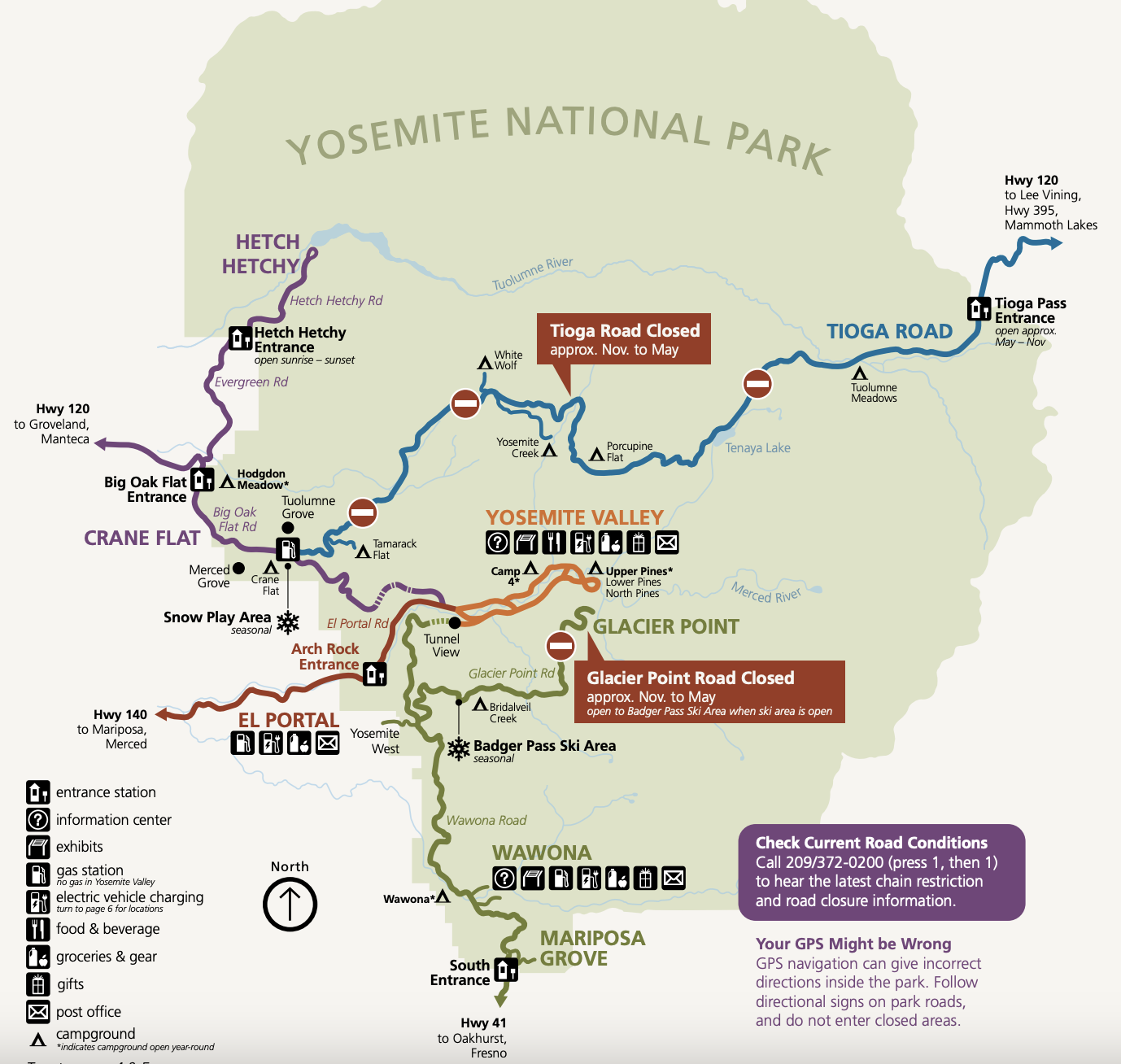
Screenshot of the Yosemite National Park map taken from the NPS website.
Yosemite is a vast park with many different regions to explore. Here is an overview of what you can find in each region, in order of what I think you should prioritize during your first visit to Yosemite.
Yosemite Valley
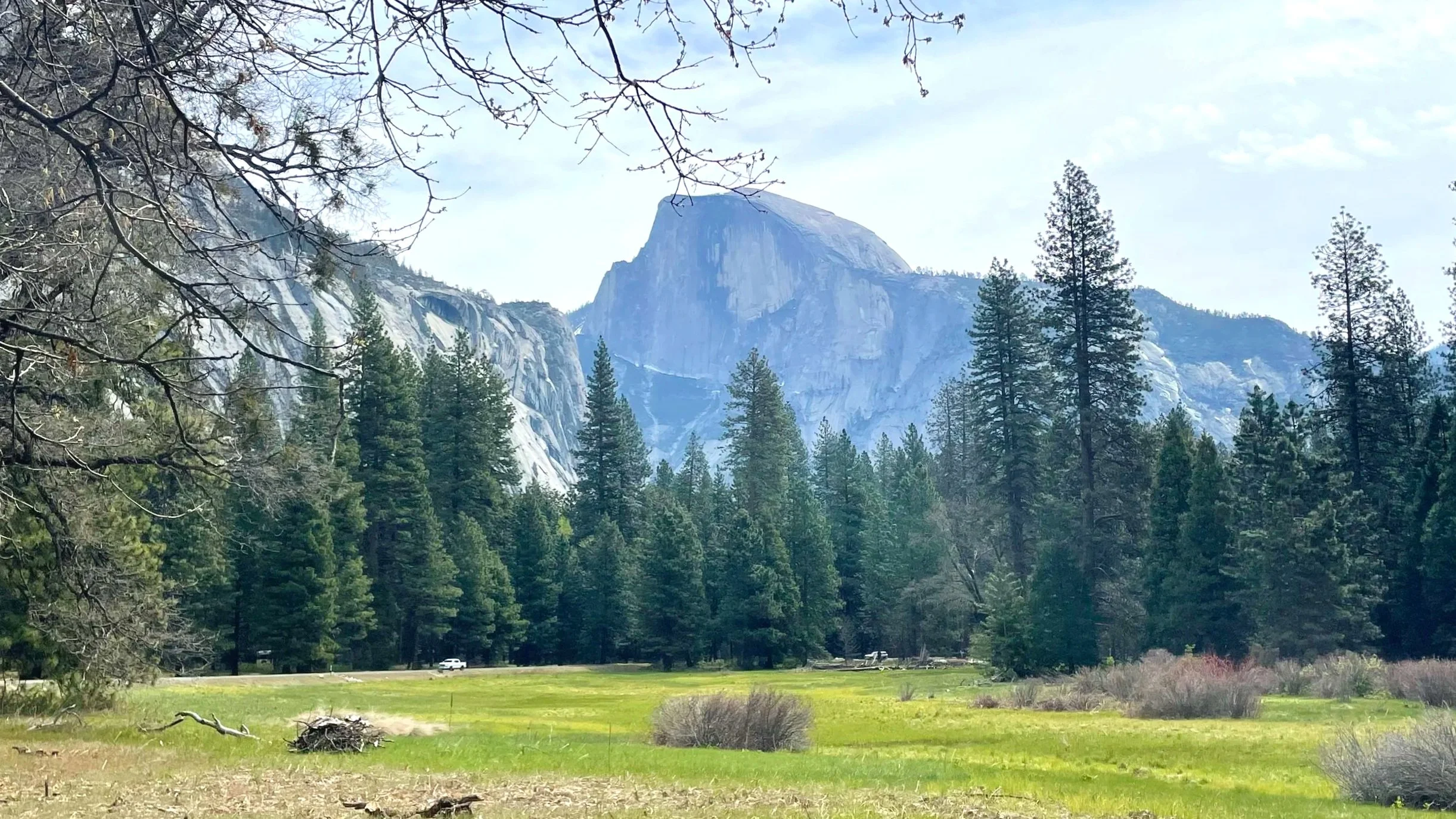
Going to Yosemite National Park for your first time and skipping Yosemite Valley would be like going to Paris and skipping the Eiffel Tower—absurd! Yosemite Valley is the main attraction to the park, getting millions of visitors each year. Yes, that means it can be very crowded, but it is absolutely worth the effort to see it.
Massive granite cliffs line Yosemite Valley, with cascading waterfalls around every bend in the road. Famous landmarks you will see there include the world-renowned rock climbing wall, El Capitan, and the peak that I think looks like a thumb, Half Dome. Wandering through the meadows along the Merced River, gazing up at these cliffs, is an unbeatable nature experience.
But that only covers the sights! There are also so many things to do in Yosemite Valley, which is by and large the most established part of the park. See the “Ask a Park Ranger” section below for things to do in Yosemite Valley.
If you don’t want to worry about the logistics of visiting this busy area of the park, such as finding parking and seeing all the best sights, consider a semi private Yosemite tour that includes lunch at Ahwahnee.
Tioga Road
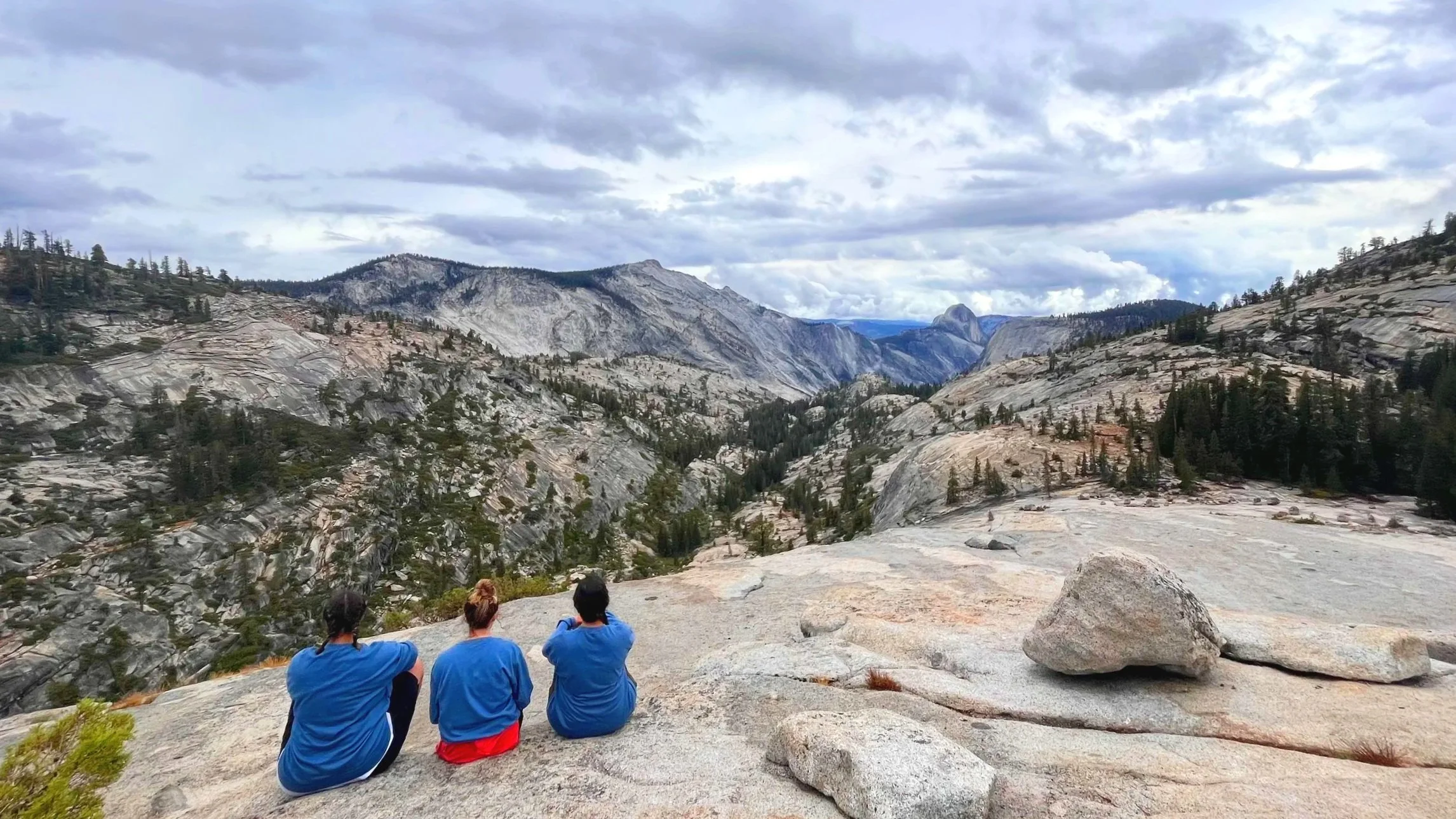
Photo taken by my amazing sister-in-law photographer, @lexileephotography__, based in Utah.
Yosemite Valley may have all the fame, but my favorite part of the park is Tioga Road, a high elevation mountain pass with stunning alpine lakes, sweeping mountain views, and wildlife sightings, especially around Tuolumne Meadows.
Tioga Road acts as a starting point to some of the best wilderness hikes in Yosemite, including many parts of the Pacific Crest Trail, which traverses through the entire Sierra Nevada and Cascade Ranges in California, Oregon, and Washington. I met a lot of thru-hikers on the trails I hiked up there, which was fun, especially when I got to hear about their adventures on one of the “Triple Crown of Hiking” trails in the United States.
Tioga Road is a high elevation road, which means your car does some of the elevation climbing for you before you start on the trails, but it also means that it gets a lot of snow and closes during the winter months. Keep this in mind when planning a trip to Yosemite in the winter or even fall and spring.
If you are road-tripping around California or the United States, use Tioga Road to get from one side of the state to the other. When it’s not closed for winter, Tioga Road crosses through the Sierra Nevadas, from the heart of Yosemite in the west to Mono Lake in the east.
Mariposa Grove
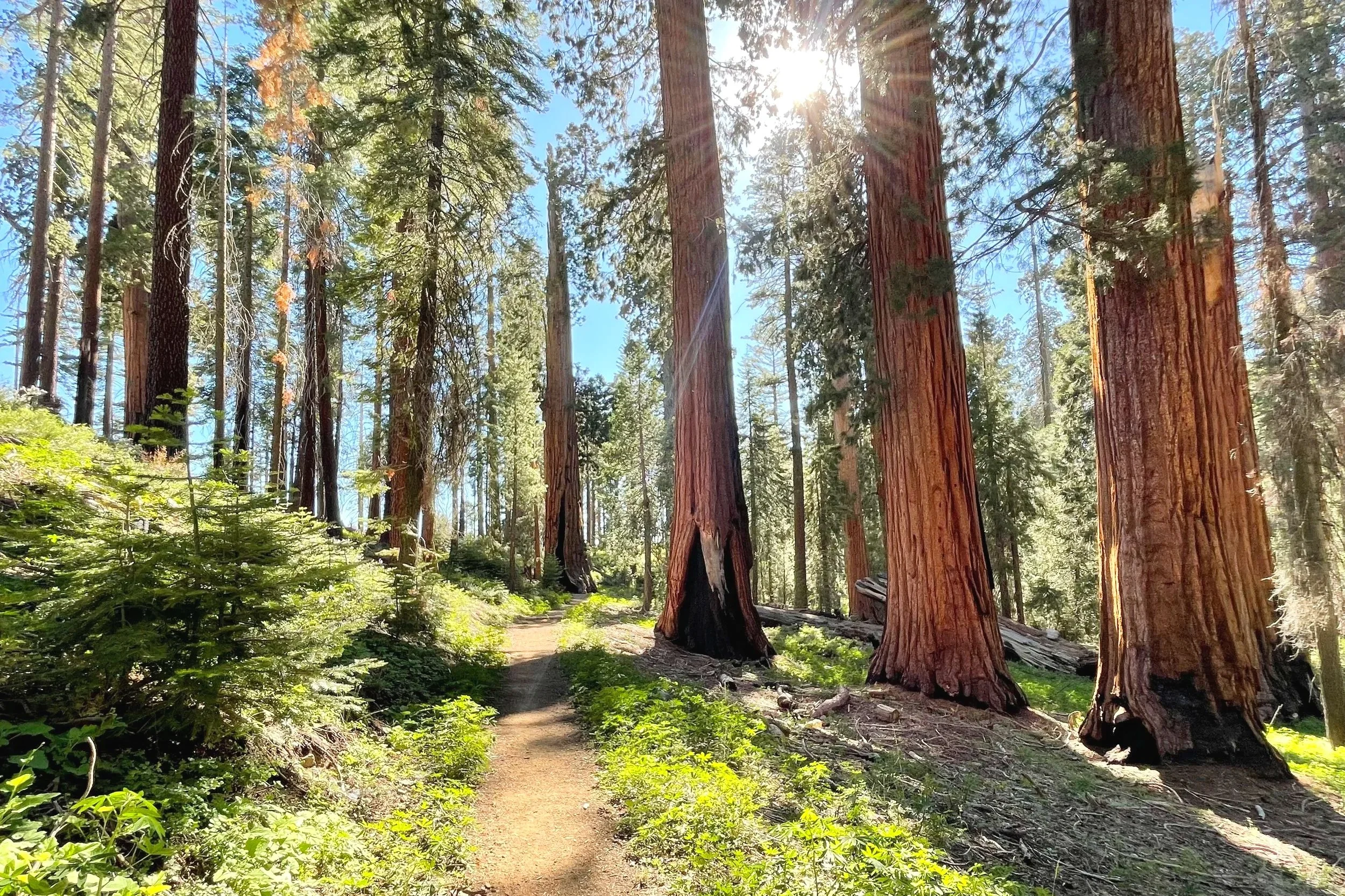
Although the Mariposa Grove trail is one of my favorite trails in Yosemite, and a trail I first hiked during my 52-hike challenge in 2020, there are other places to see giant sequoias, such as Sequoia and Kings Canyon National Parks, so if you are really limited on time, prioritize the two regions above for your first visit to Yosemite.
If, on the other hand, you have three to five days in the park and probably won’t get another chance to see giant sequoias, definitely head to Mariposa Grove! There are three giant sequoia groves in Yosemite, but Mariposa Grove is the largest and most impressive group of trees.
Near Mariposa Grove is a neat village, Wawona, where you can learn about the history of people who lived in Yosemite, including Chinese immigrants, and helped make it what it is today. This area is definitely worth checking out and can be a good break from the scenic drives and hikes, which can sometimes get exhausting.
Tip: Mariposa Grove and Wawona are very near the South Entrance. The closest airport to Yosemite is the Fresno Yosemite International Airport, so if you are flying in from there, get a rental car and then drive to the park’s South Entrance for quickest access to the park.
Glacier Point
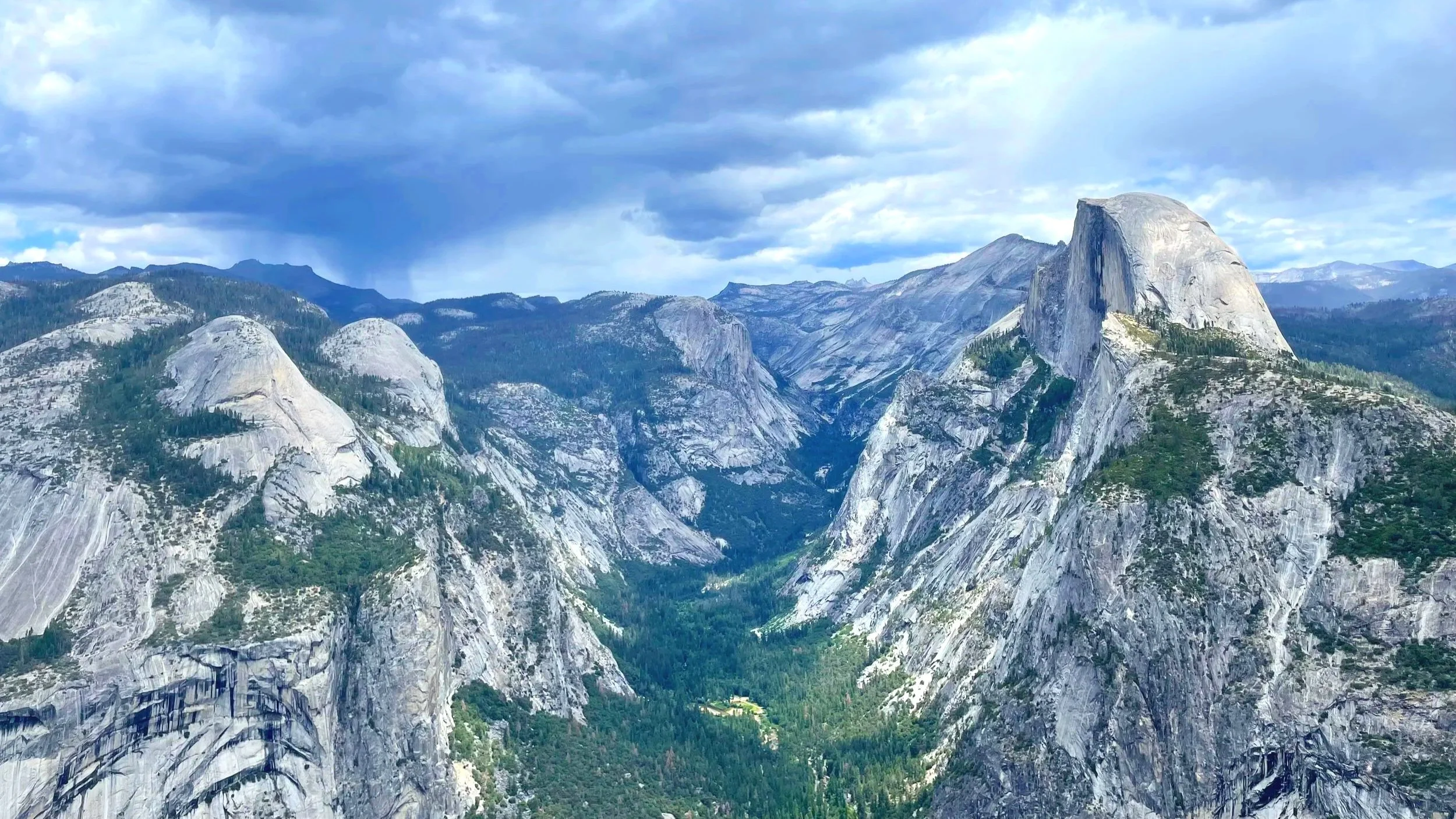
If you want to get incredible views of Yosemite Valley from above without doing a strenuous hike to get them, check out Glacier Point on your first visit to Yosemite. The road has some nice hikes along it, which are usually less crowded than the regions mentioned above, and at the end of the road is an overlook that will blow you away. You will see a very close up view of Half Dome, famous waterfalls below, and get a peek at the sprawling Yosemite Valley.
During winter months, Glacier Point has a ski area, Badger Pass, which includes a ski lift for downhill skiing, cross-country skiing, and snowshoeing. It is one of the only national parks in the United States with a front country ski area, so it is definitely worth checking out if you are there when it is snowy.
Hetch Hetchy
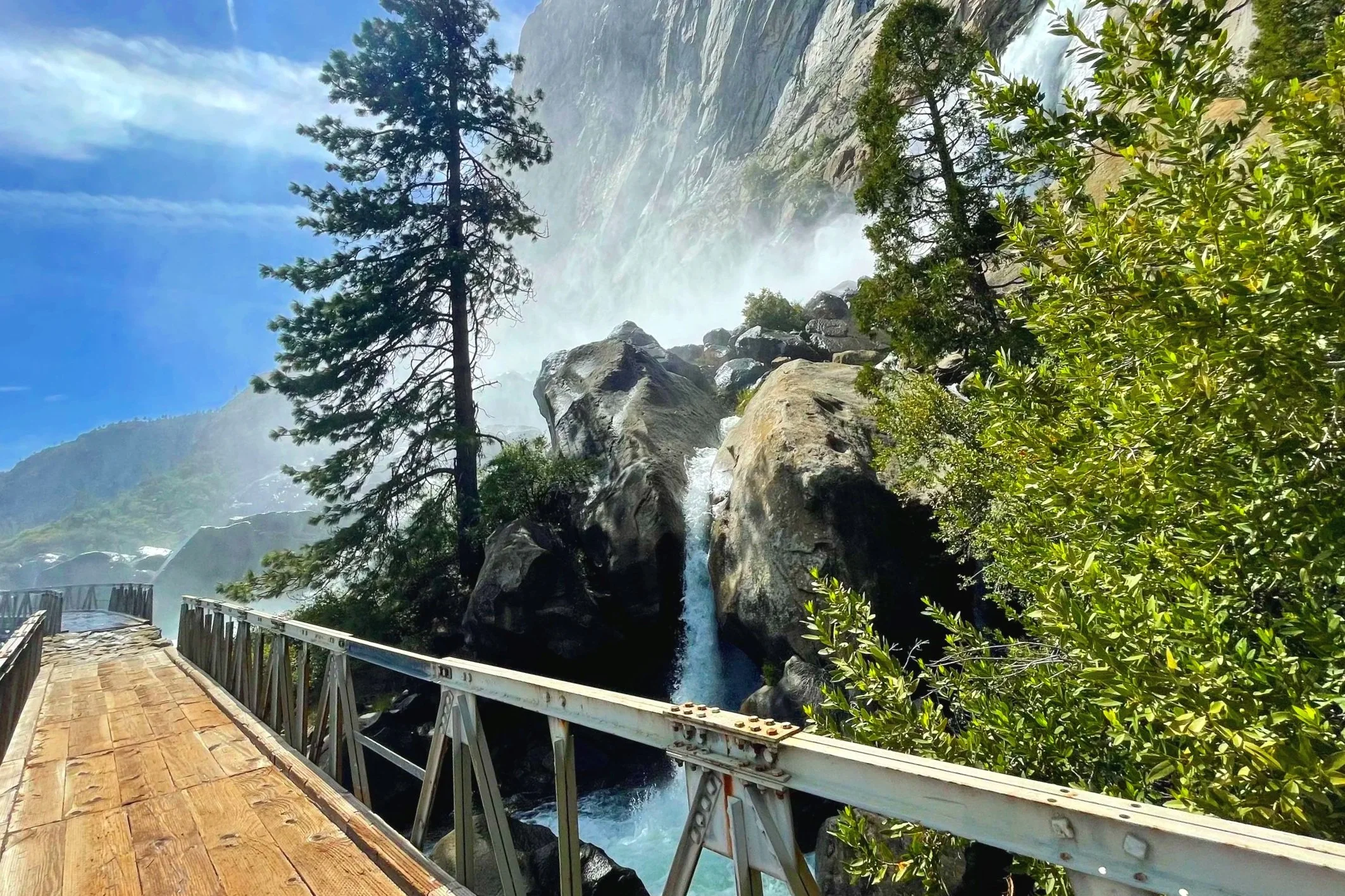
The last region to mention in Yosemite National Park is Hetch Hetchy. This area is neat to visit for history lovers, due to the historical O’Shaughnessy Dam that still exists there along the Tuolumne River, providing water to San Francisco.
There is one main hike along the reservoir to Wapama Falls, but fair warning—it is not very shaded and can get quite hot. Beyond this hike, there are many other trails that lead into the backcountry for longer, more rugged adventures.
The remote road to Hetch Hetchy is closest to the Big Oak Flat entrance, which is near Crane Flat. Crane Flat is a good place to fill up on gas and take a restroom break. There are also two smaller sequoia groves in the area which can be a good alternative to Mariposa Grove if you won’t have time to make it that far south.
Tip: Big Oak Flat is the closest entrance to San Francisco. If you are starting your trip there, find a rental car on Discover Cars.
Ask a Park Ranger
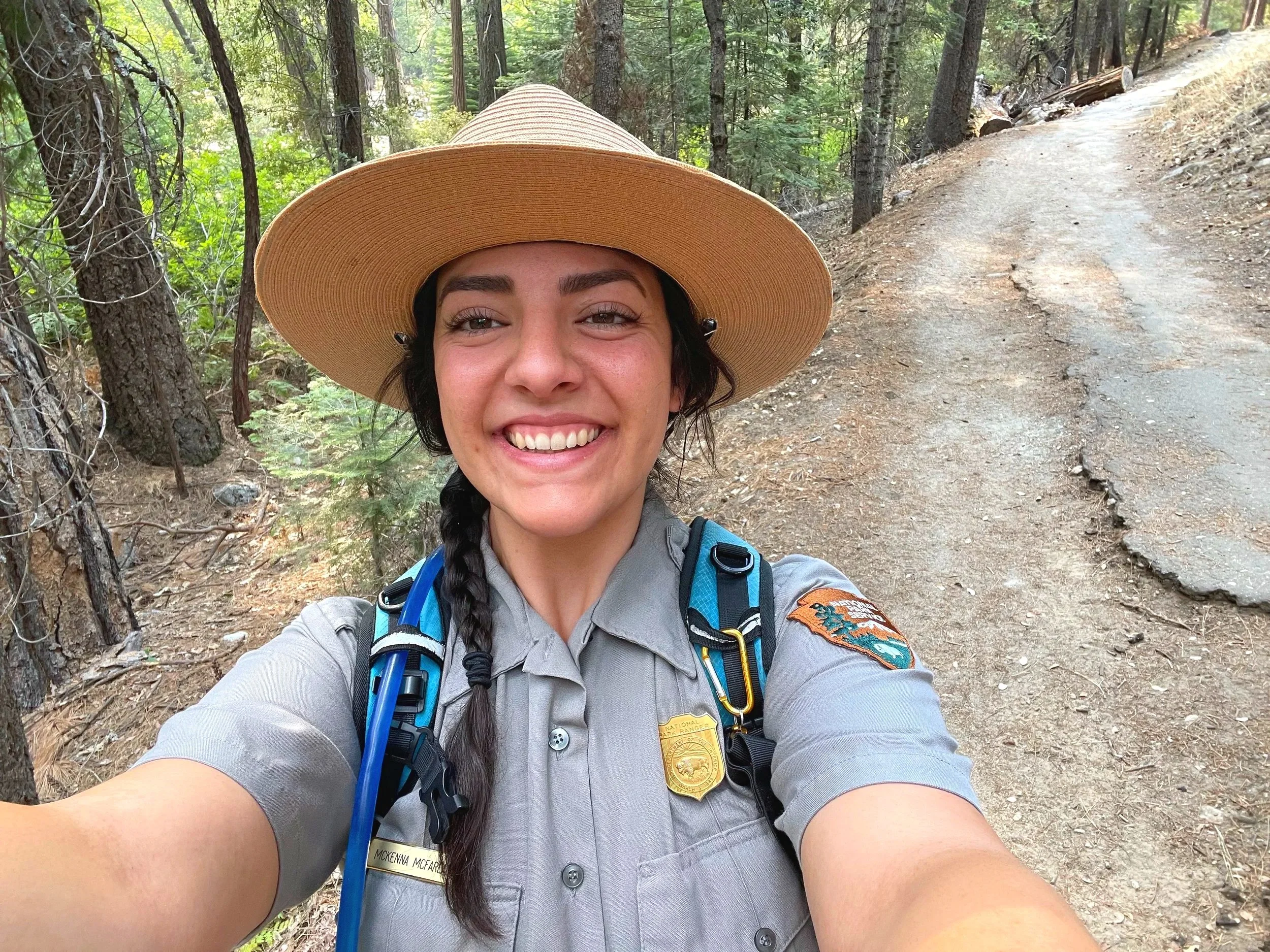
Now that you hopefully have a better feel for the layout of the park, here are some burning questions most first-time visitors have when planning a trip to Yosemite National Park.
How many days do I need in Yosemite?
Yosemite is a big park and the highlights of the park are spread out. If you want to see all five major regions of the park, plan for a day in each region. Overall, I would not recommend fewer than three to five days in the park, as each area is so unique and worth visiting.
A reasonable itinerary would include 1-2 days in Yosemite Valley, 1-2 days along Tioga Road and Hetch Hetchy, and 1-2 days exploring Mariposa Grove, Wawona, and Glacier Road.
If you are short on time, flying into San Francisco, and don’t want to worry about finding a rental car and lodging, this Yosemite National Park 2-Day Tour from San Francisco gets you to and from the park, covers lodging, and takes you to some of the most iconic sights in Yosemite Valley. You won’t be able to see everything in the park, but it does cover a lot, including Yosemite Falls, Glacier Point, and giant sequoias at Tuolumne Grove.
Where should I stay in Yosemite?
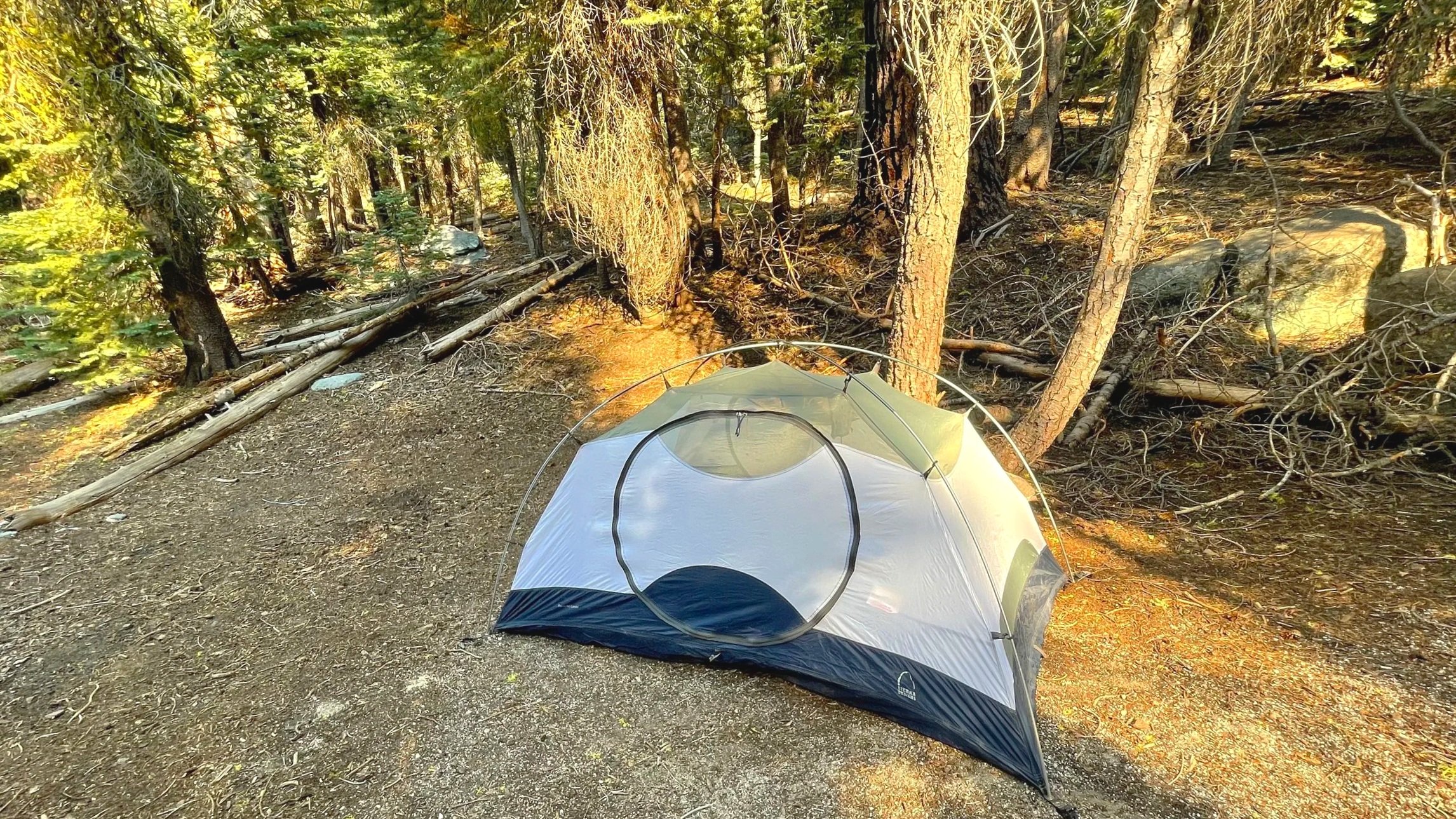
Yosemite Valley is the main vein of Yosemite National Park and a great base for all your adventures. There are four campgrounds, Curry Village cabins, Yosemite Valley Lodge, and The Ahwahnee Hotel all in the valley. They all fill up months in advance, so you will need to plan ahead if you want to stay there.
When I worked in Yosemite, I lived in El Portal, which is a few minutes outside of the Arch Rock entrance to the park, the closest entrance to the Yosemite Valley region. It is a great base if you don’t get a reservation in time to stay in Yosemite Valley and it’s central enough that getting to the other regions in the park is usually an hour or shorter drive. There are really only two lodges in El Portal and both are good: Yosemite View Lodge and Cedar Lodge.
Additionally, you can stay in small towns a little farther from the park, such as Mariposa, Oakhurst, Groveland, and Mammoth Lakes, but that will increase your driving time by at least 45 minutes one way, depending on what part of the park you are trying to get to. Find hotels and lodges near Yosemite on booking.com.
If you are trying to find camping in Yosemite and Yosemite Valley is completely booked, there are other great campsites around the park, that are probably quieter and have fewer bear problems than Yosemite Valley does. See the NPS Yosemite camping page for all the camping options. Just keep in mind that if you stay in or near the Tioga Road or Mariposa Grove regions, your drive time to the opposite ends of the park will be quite a bit longer than staying near Yosemite Valley.
You can also consider a Yosemite 3-Day Camping Adventure from San Francisco, which includes most meals, transportation, a guide, and camping equipment. Note that the camping for this adventure is just outside the park in El Portal, so you will not wake up amidst the famous Yosemite Valley views.
Where can I get a map of Yosemite?
Every entrance station and visitor center in the park should have a map and the park newsletter, with updated park information. (The newsletter is what I used to design and write!)
If you enter Yosemite during hours when the entrance stations do not have staff at them, there are a couple options for you. One, download the park map ahead of time from Yosemite’s website. Two, get the NPS app and use it for navigating, but be aware that some features are not available offline. Three, download an offline map on Google Maps. I always do this when I travel to remote places.
Where are the Yosemite Visitor Centers?
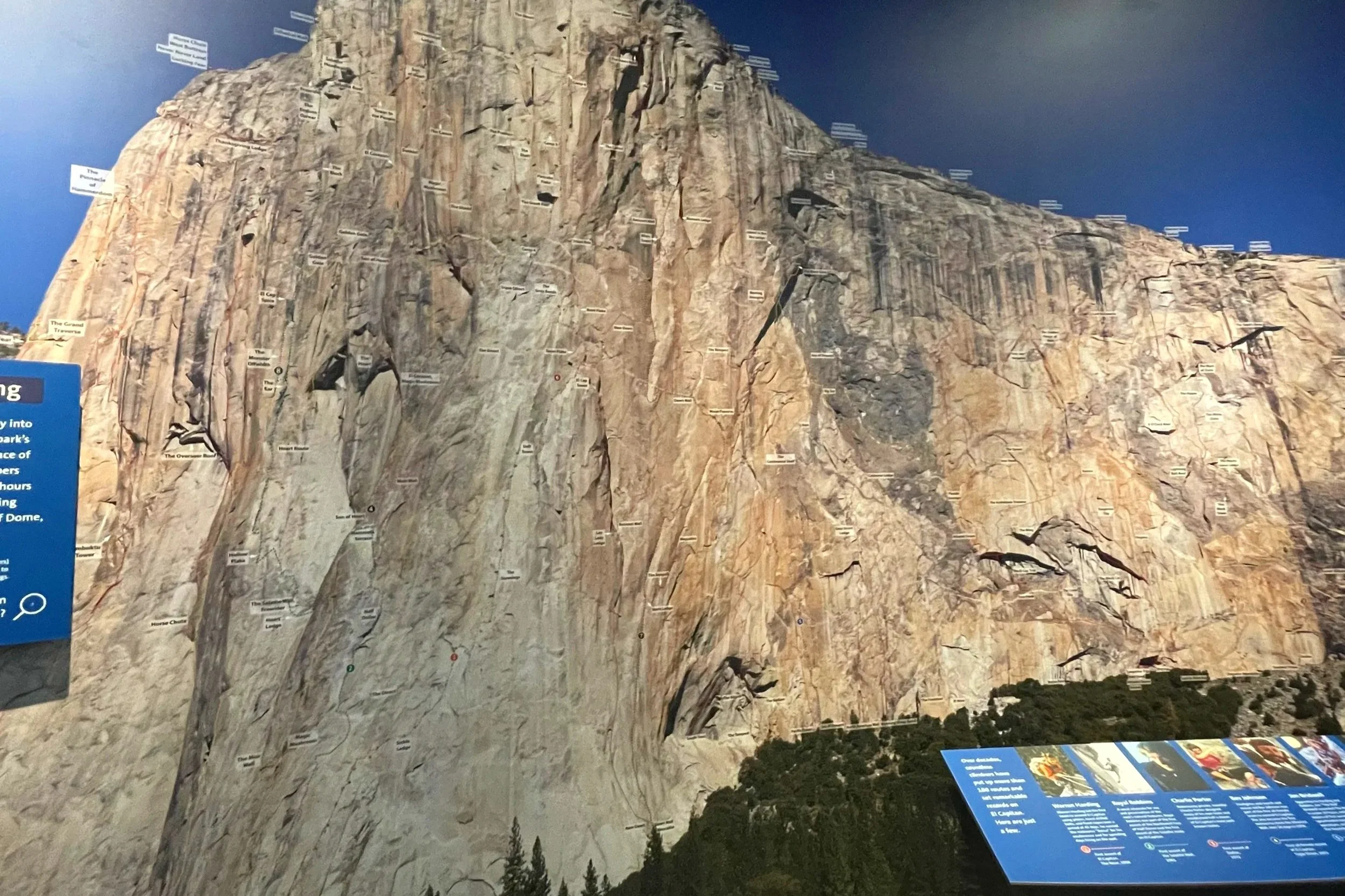
There are several visitor centers and exhibits in Yosemite National Park and each offer something different. My favorite one is the Yosemite Valley Exploration Center. There is a lot of information about people who climb El Capitan, including daring stories, equipment used on their adventures, and a giant map of all the routes along the climbing wall.
The Exploration Center is also connected to a section full of historical artifacts from the Southern Sierra Miwok tribe that still inhabits the region. Some of my former coworkers are part of the tribe and led interpretive programs for visitors. Behind the center, first-time visitors to Yosemite can explore a recontructed Miwok village.
To get information and advice from a park ranger, visit the Yosemite Valley Welcome Center, which is closer to the main parking area. Other visitor centers can be found at Wawona, Tuolumne Meadows, and Big Oak Flat entrance station.
What time of year is best for visiting Yosemite?
There are many factors to consider when determining the best time of the year to visit Yosemite National Park. Weather, waterfalls, crowds, and natural features can be drastically different depending on when you visit. Here are some main things to anticipate.
Summer Reservation System
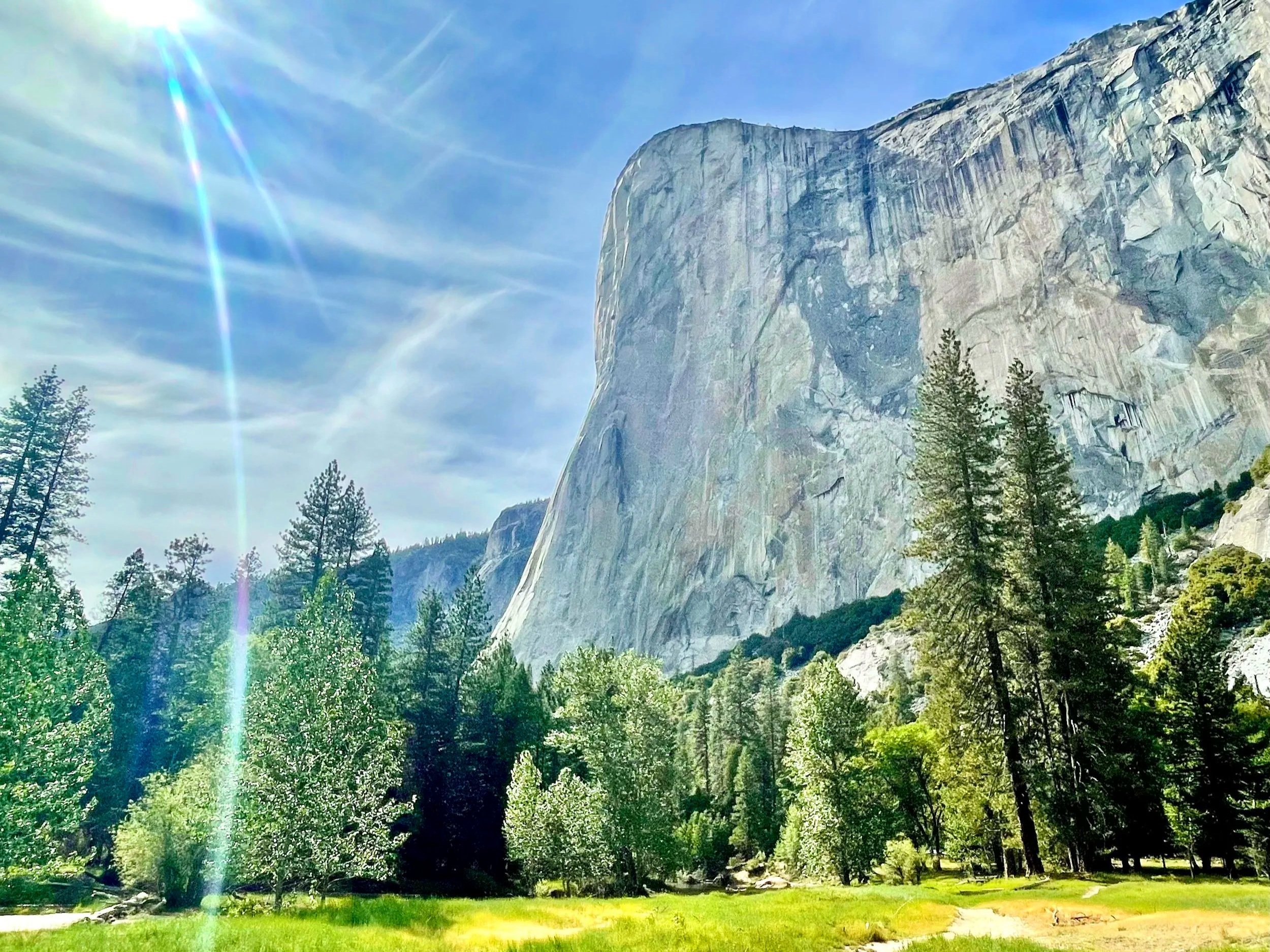
Summer is one of the best times to visit Yosemite for first-timers because all the roads are typically open, the weather is very warm, and the amenities and activities throughout the park are usually all open, including restaurants, lodging, recreational equipment rentals, and tours. All that goodness, however, can come with a major drawback: crowds!
Yosemite, especially Yosemite Valley, park entrances, and parking at popular trails, can get extremely busy during the summer, weekends, and holidays. If you can avoid visiting during those times, or if you plan to get a very early start to your days, you may have a better experience.
During the season I worked in Yosemite, there was a strict reservation system enforced in the summer months and other busy weekends. The rules vary each season, so be sure to check the NPS website for any reservations you may need to make.
Besides crowds, another drawback to visiting in summer are wildfires. The summer I worked there had several enormous fires that closed some of the park, including major entrances, greatly affected the air quality, and made Yosemite Valley smell strongly of smoke.
Shoulder Seasons
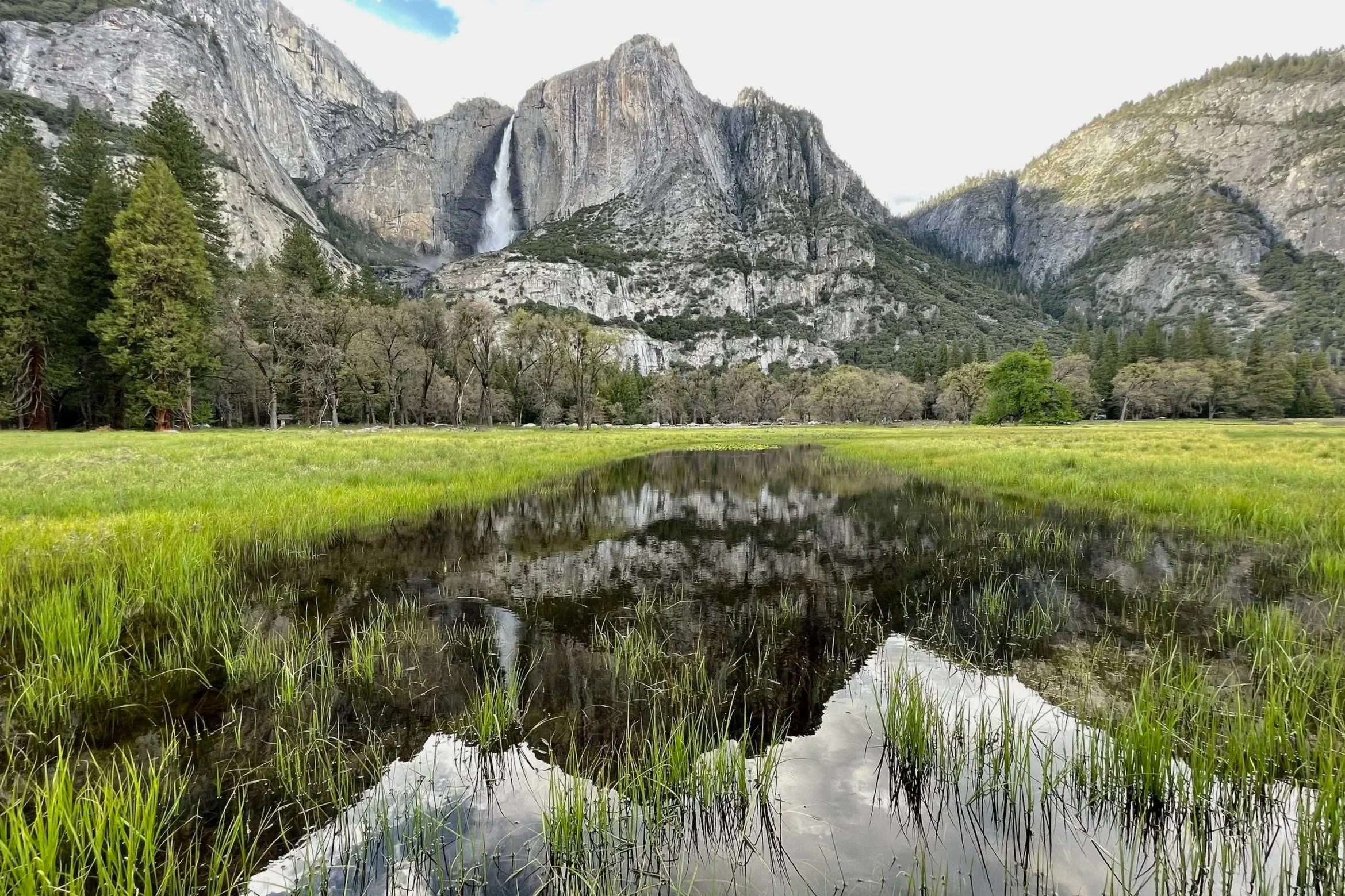
Spring is a lovely time to visit the park. The waterfalls are in full force and quite a magnificent view to behold, especially when mirrored in the wet meadows below them. Everything turns green and some parts of the park will still have deep snow. Tioga Road is often closed most of spring though, so you won’t get to experience that if you go during this time of year.
Fall is another lovely time to visit the park, before Tioga Road closes for the winter. You may find some really beautiful fall colors, especially in Yosemite Valley, the park will be much quieter than the busy summer months, and the temperature will be much more comfortable for hiking. Wildfires are still a concern in early fall, but by October they are generally not an issue.
Winter in Yosemite
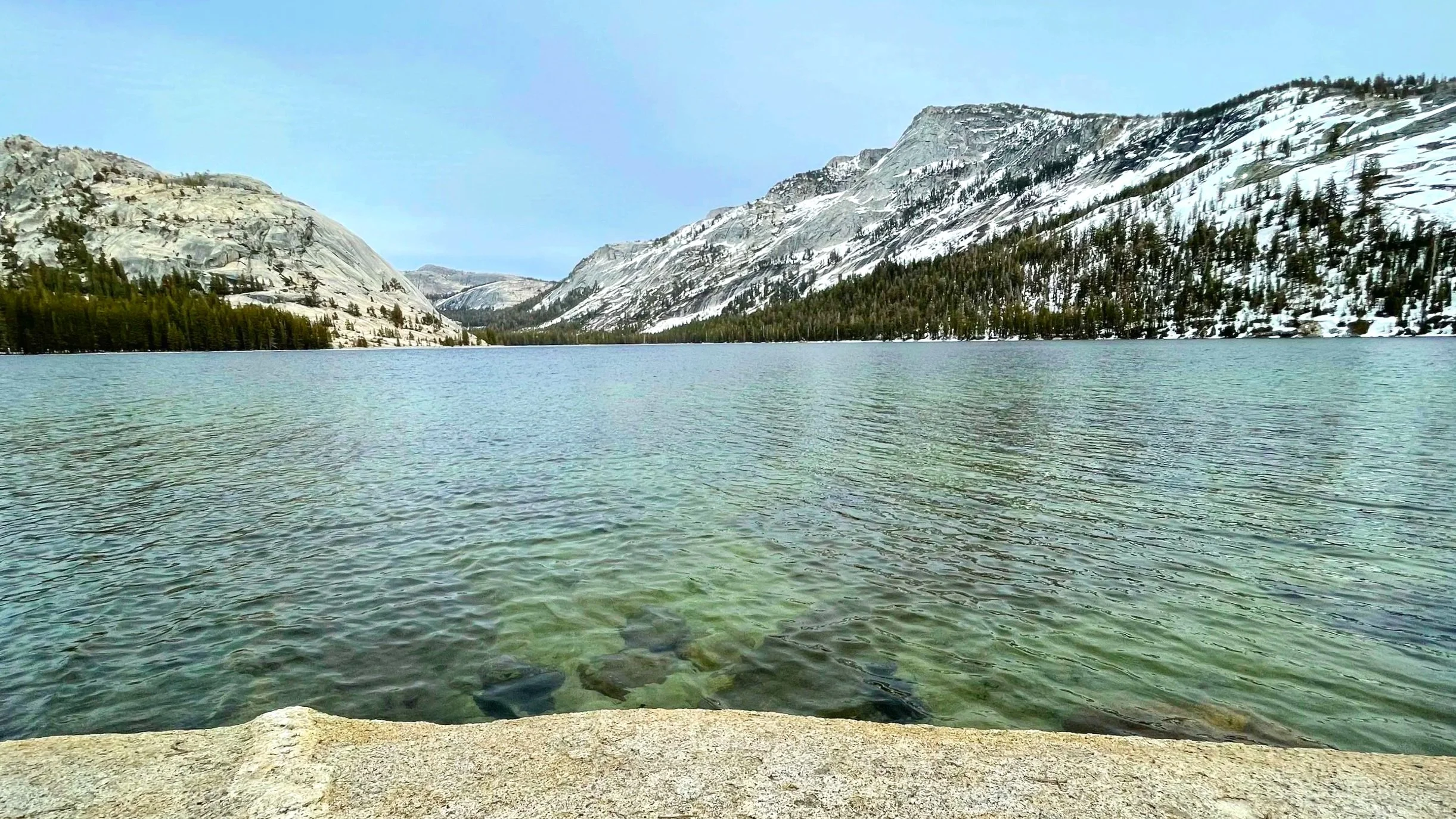
This is actually a spring picture of Yosemite along Tioga Road, right before the road opened to the public.
Yosemite feels like another world in winter. The bears hibernate, the waterfalls freeze, and everything gets covered in white. Some roads, such as Tioga Road, close in winter and, depending on the snowfall, all accessible roads may require snow tires.
Winter in Yosemite provides two very unique attractions. One is Bridger Ski Pass, mentioned above in the Glacier Point section. The other is the Yosemite Firefall. Horsetail Falls, visible from Yosemite Valley, lights up and looks like cascading fire. It is a rare moment that only lasts for a few minutes of the day, usually during February.
What are the best hikes in Yosemite?
Yosemite National Park is a paradise for hikers! There are really so many hikes I could name that beat out most hikes you’ve probably been on, but I’ll keep this list short for your first-time visit. Check out my Yosemite Day Hike Guide for a more comprehensive dive into hiking in Yosemite.
Yosemite Valley Waterfalls
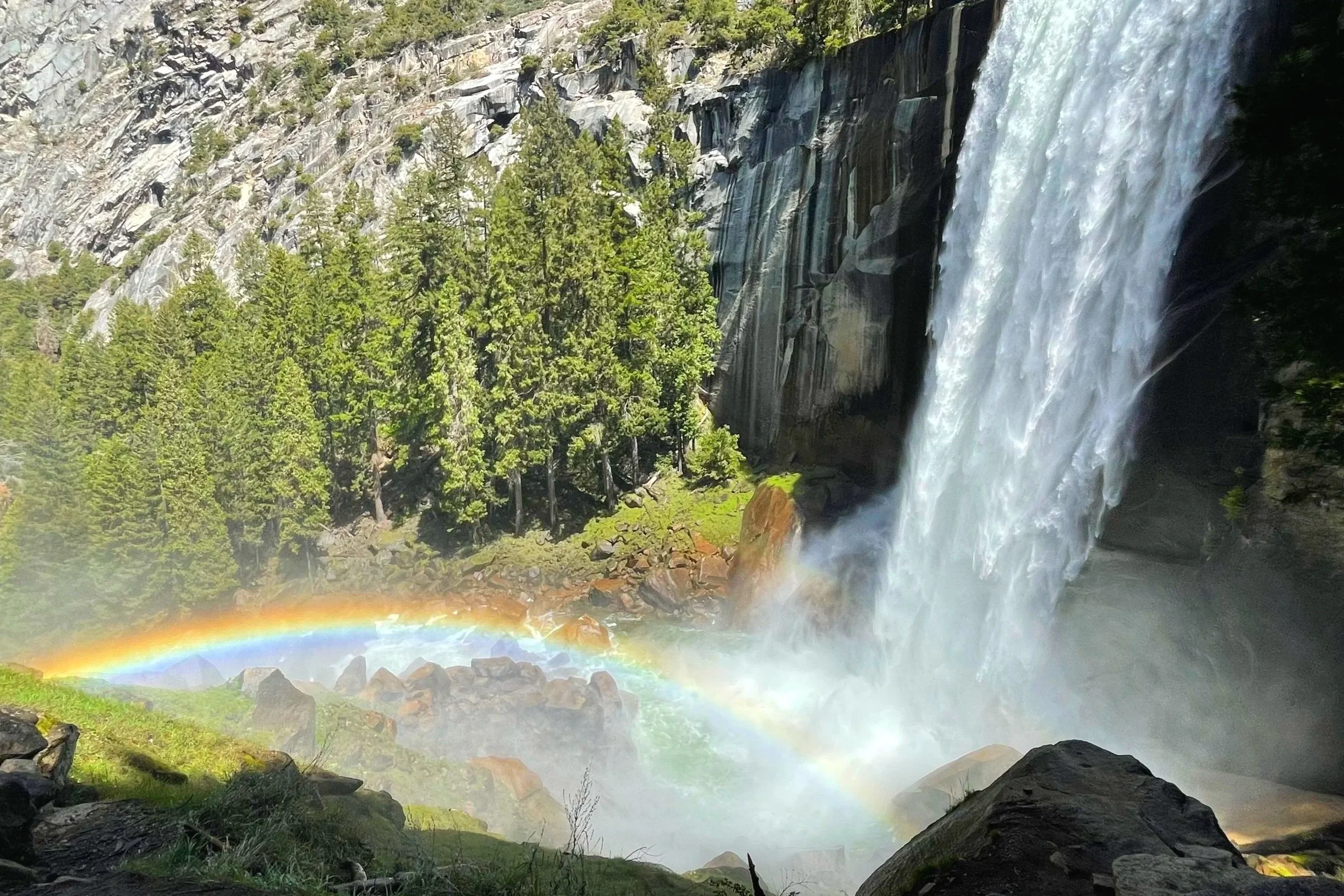
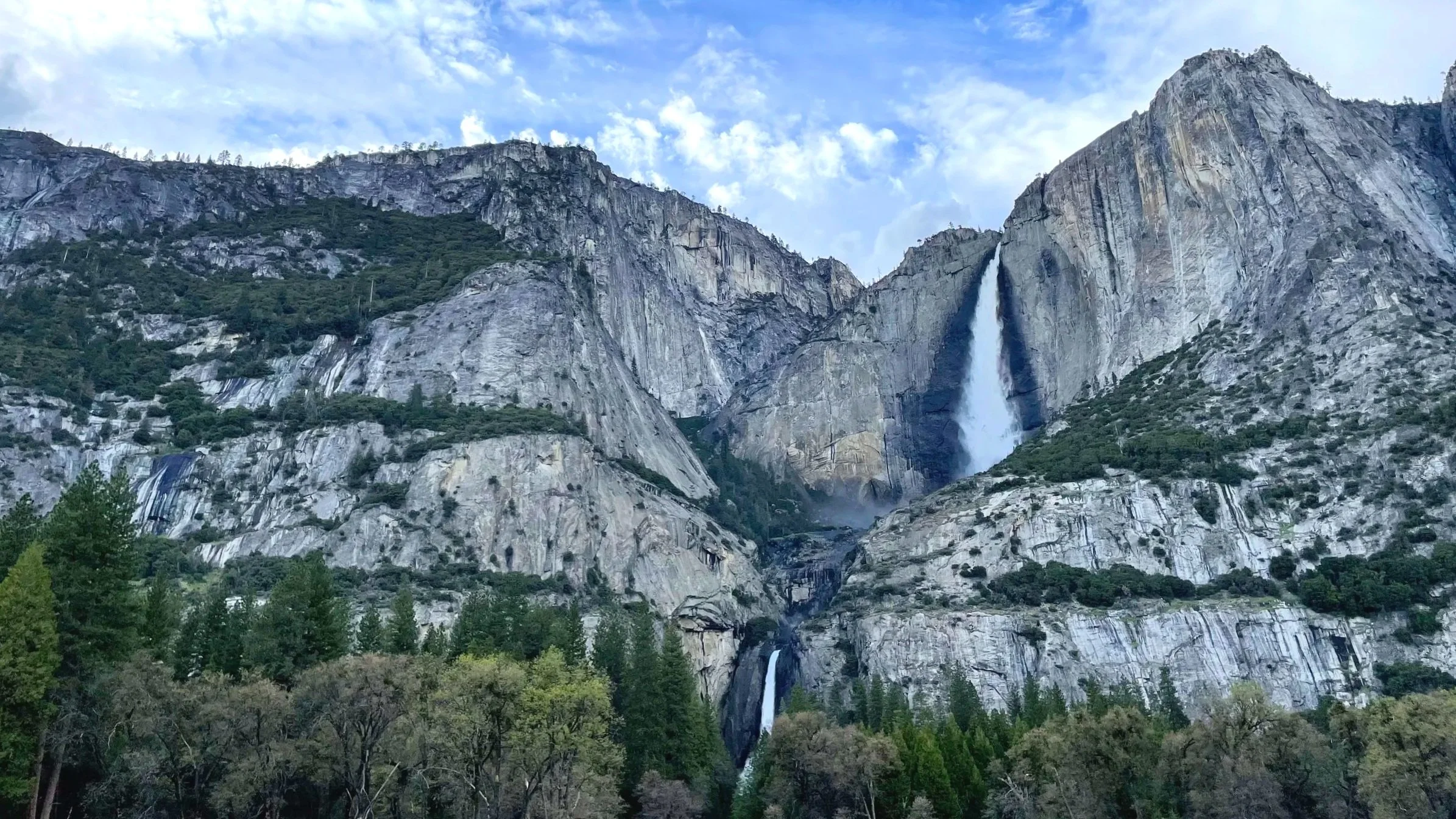
There are several gorgeous waterfalls in Yosemite Valley, including many that you can see from your car, but make sure to prioritize getting up close to Yosemite Falls and Vernal Falls.
Lower Yosemite Falls can easily be combined with Cook’s Meadow for a wonderful intro hike to Yosemite Valley. It is mostly flat, short, and has an amazing payoff with the gorgeous waterfall and meadow surrounded by massive granite cliffs. Many people climb the steep strenuous trail to the top of Yosemite Falls, but I personally don’t think it is worth it. There are many other places you can get amazing views of Yosemite Valley for way less work, such as Tunnel View, Glacier Point, and trails that start along Tioga Road.
Mist Trail leads to Vernal Falls, which often has rainbows at its base when the sun is shining on the waterfall. It’s a beautiful waterfall nestled in a narrow canyon that leads to greater adventures beyond. If you have time and energy, climbing the granite steps to the top of Vernal Falls and then continuing on to Nevada Falls is worth it.
If you want to see all of Yosemite’s most iconic waterfalls, plus a few hidden ones, take a customizable private waterfall tour. Just be ready for lots of walking!
Tioga Road
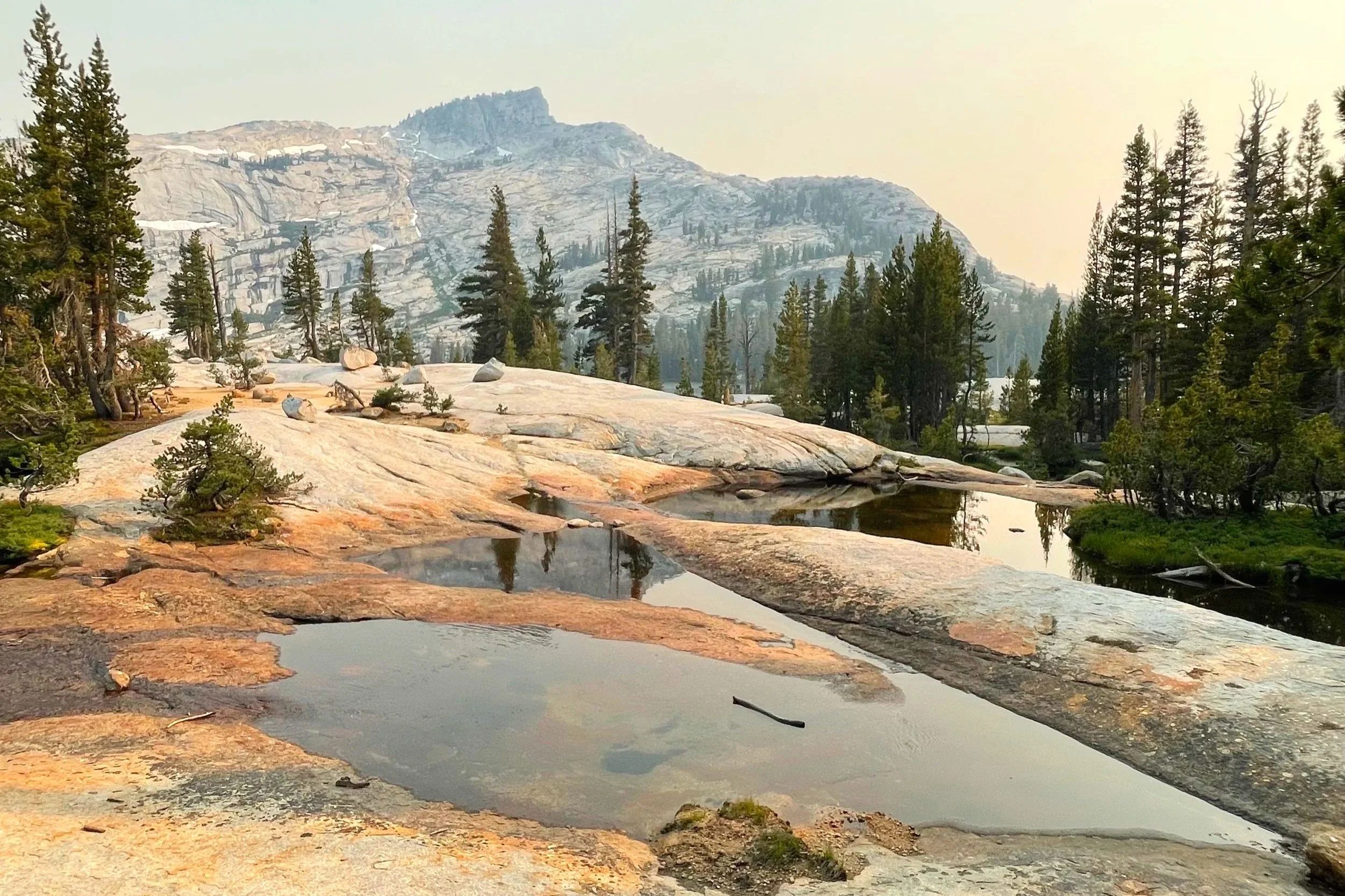
Everywhere along Tioga Road is stunning. Some of the most popular routes, great for first-time visitors to the park, include Cathedral Lakes, which features several lakes amidst granite peak backdrops, and May Lake, which is a short trail to another incredible alpine lake.
For more serious hikers, Clouds Rest is an incredible trail that leads all the way to the backside of Half Dome. If you were wanting to hike Half Dome but couldn’t get a permit in time, this is the next best option for amazing views of Yosemite Valley and Half Dome. It’s like going to the top of the Rockefeller building in New York instead of the Empire State Building so you can get pictures of the more famous one from above!
Domes
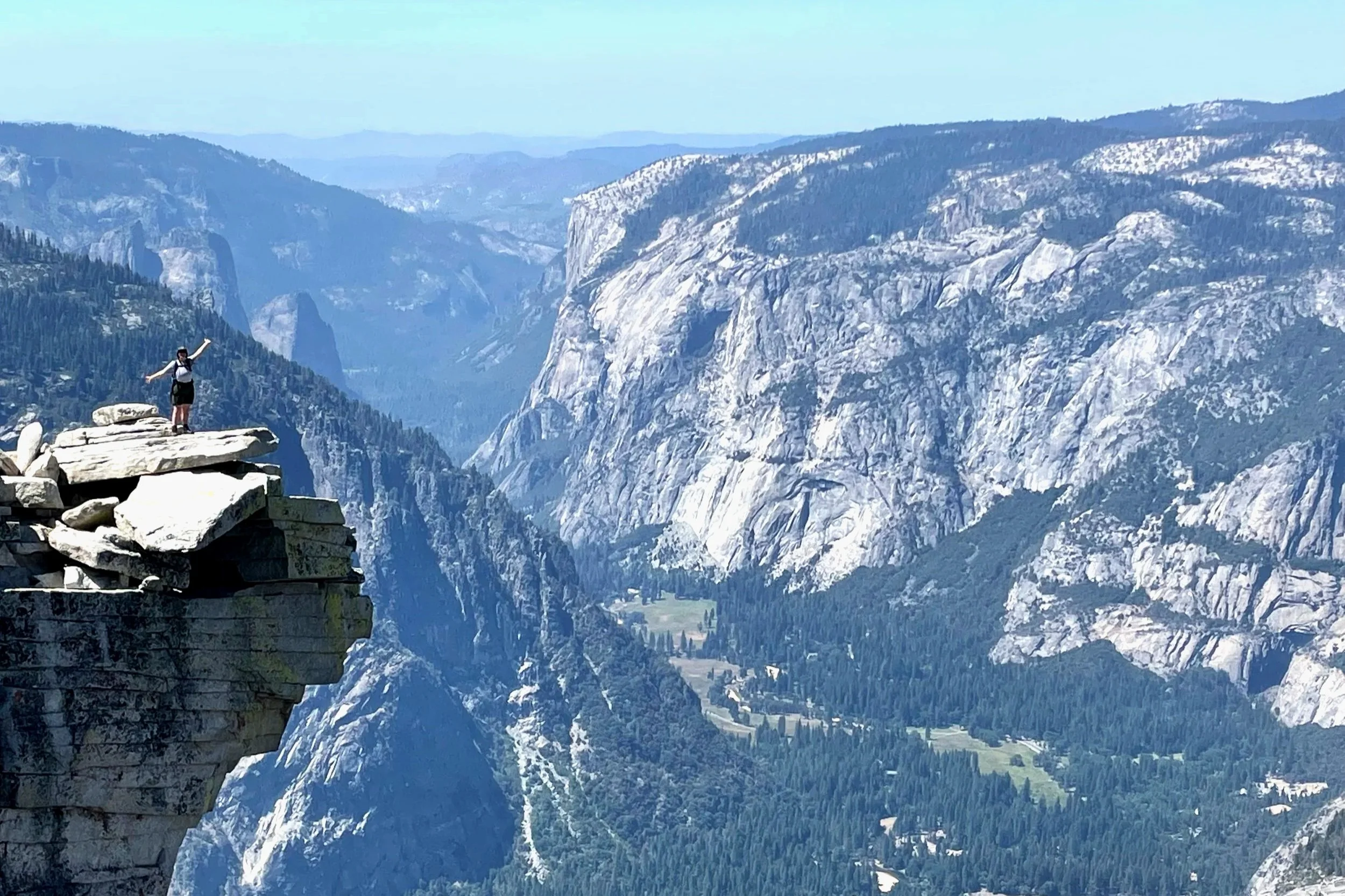
There are so many domes in Yosemite and, though they can be steep, they are so fun to climb up and always provide incredible views. Half Dome is clearly the most famous, but it is a very strenuous and long climb with technical cables at the end of the trail. A permit is required to hike it during most months of the year and they are very competitive to get.
If you missed your chance to get a permit to climb Half Dome and are dead set on climbing it, or if you are uneasy about climbing it without a guide, check for availability on this 4-day Half Dome backpacking tour, which includes a guide to summit Half Dome, all food in the backcountry, and gear.
Other domes that are much more beginner-friendly include Sentinel Dome along Glacier Road and Lembert Dome near Tuolumne Meadows.
Giant Sequoia Groves
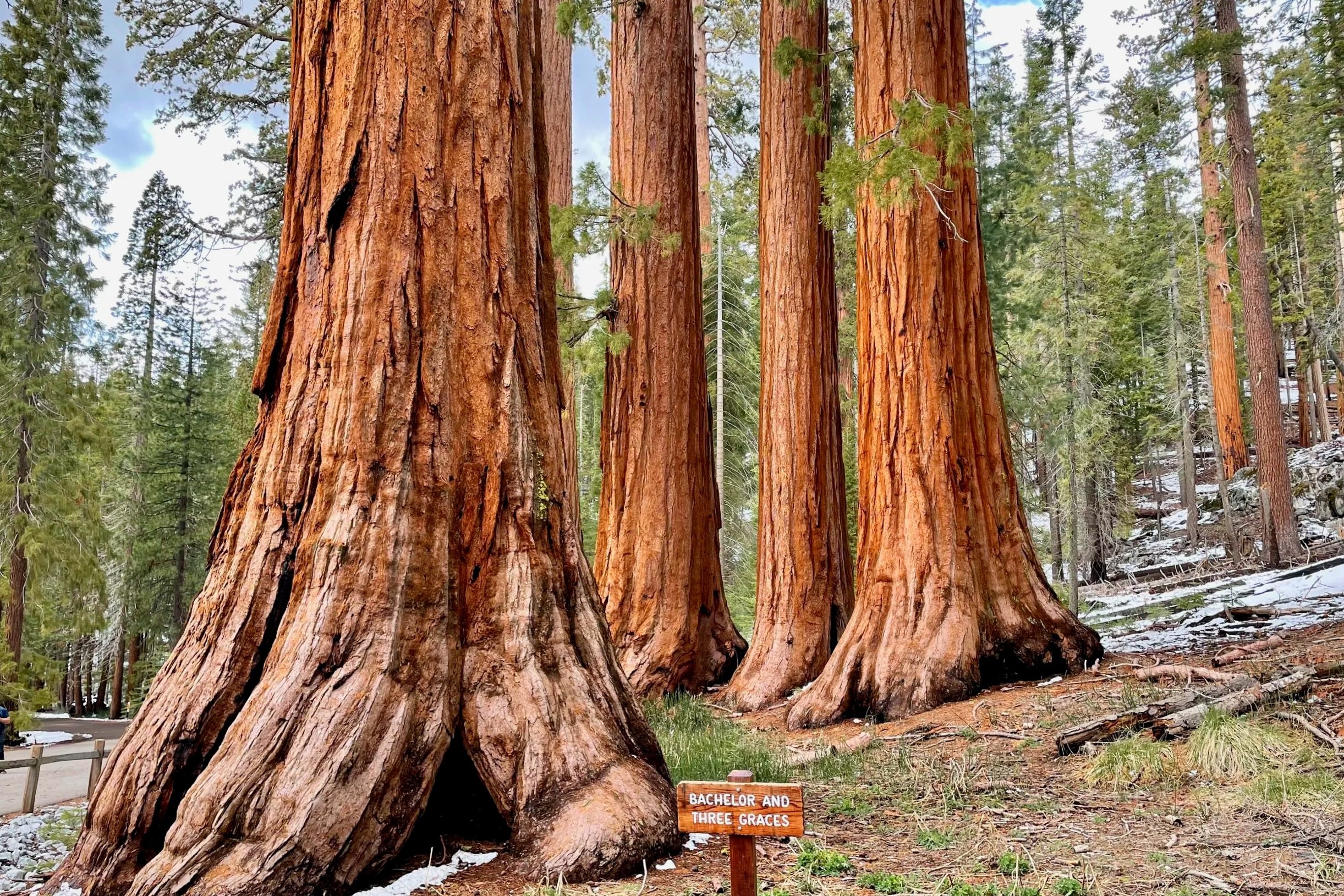
As mentioned, the largest giant sequoia grove in Yosemite is the Mariposa Grove. There are dozens of sequoia trees here, including one that was carved and can be walked through. The first part of the trail is accessible and this is a very family-friendly hike.
Other giant sequoia groves are Tuolumne Grove and Merced Grove, both with steep descents to get to them. The cluster of giant sequoias is much smaller in each compared to Mariposa Grove, but the trees are impressive nonetheless.
What are some other things to do in Yosemite besides hiking?
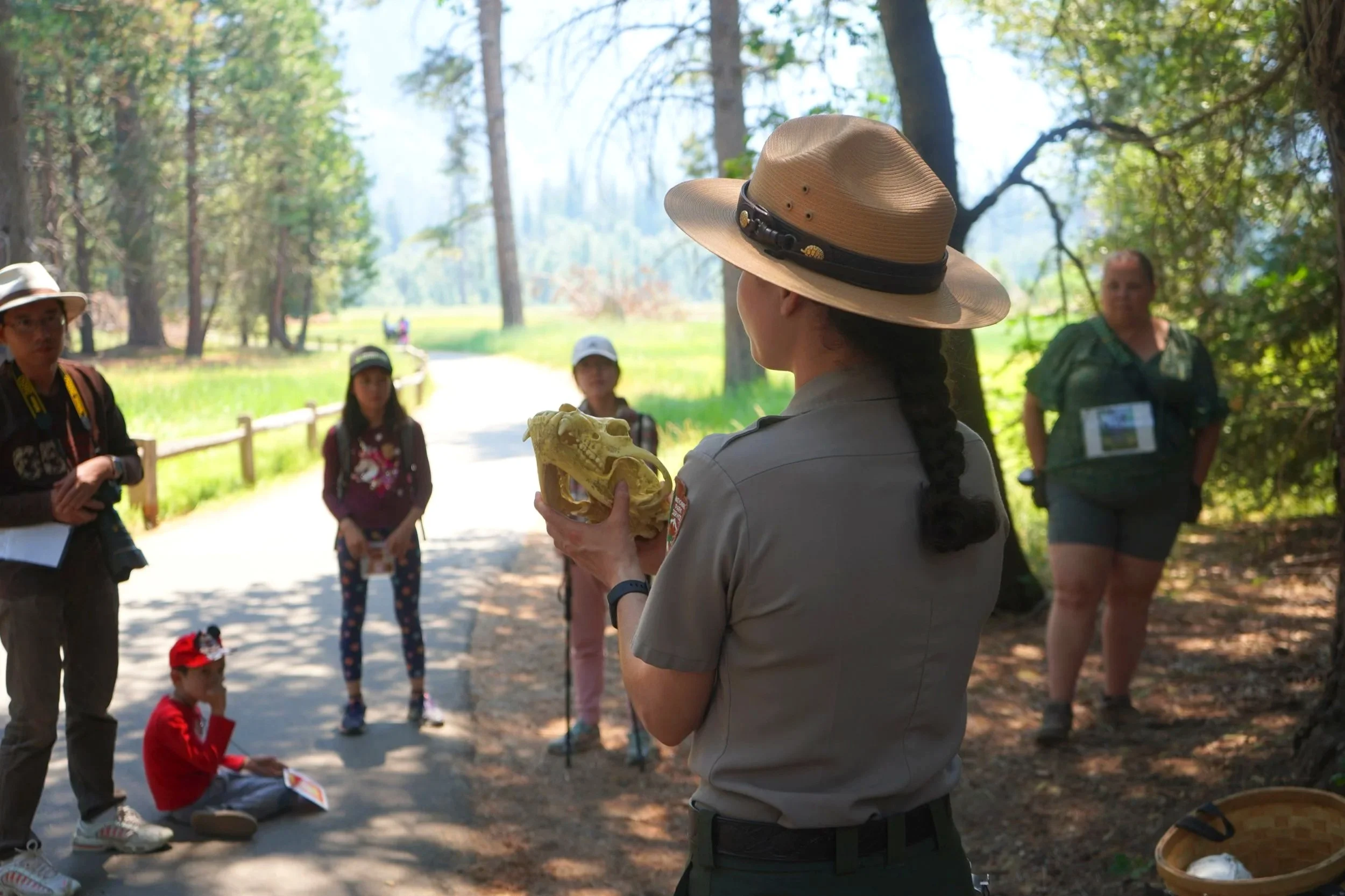
There are so many things to do in Yosemite besides hiking! When you arrive in the park, check the park newsletter for events and free activities available on the days you are there. Of course there are ranger programs, but there are also art galleries and art workshops, tubing on the Merced River, biking around Yosemite Valley, guided tours, exhibits, rock climbing, picnic areas, and more.
Visit Yosemite’s website to learn how to book guided tours inside Yosemite, including the Yosemite Valley Floor Tour, which my park ranger roommates led on an open-air tram during the summer months.
Are there bears in Yosemite?
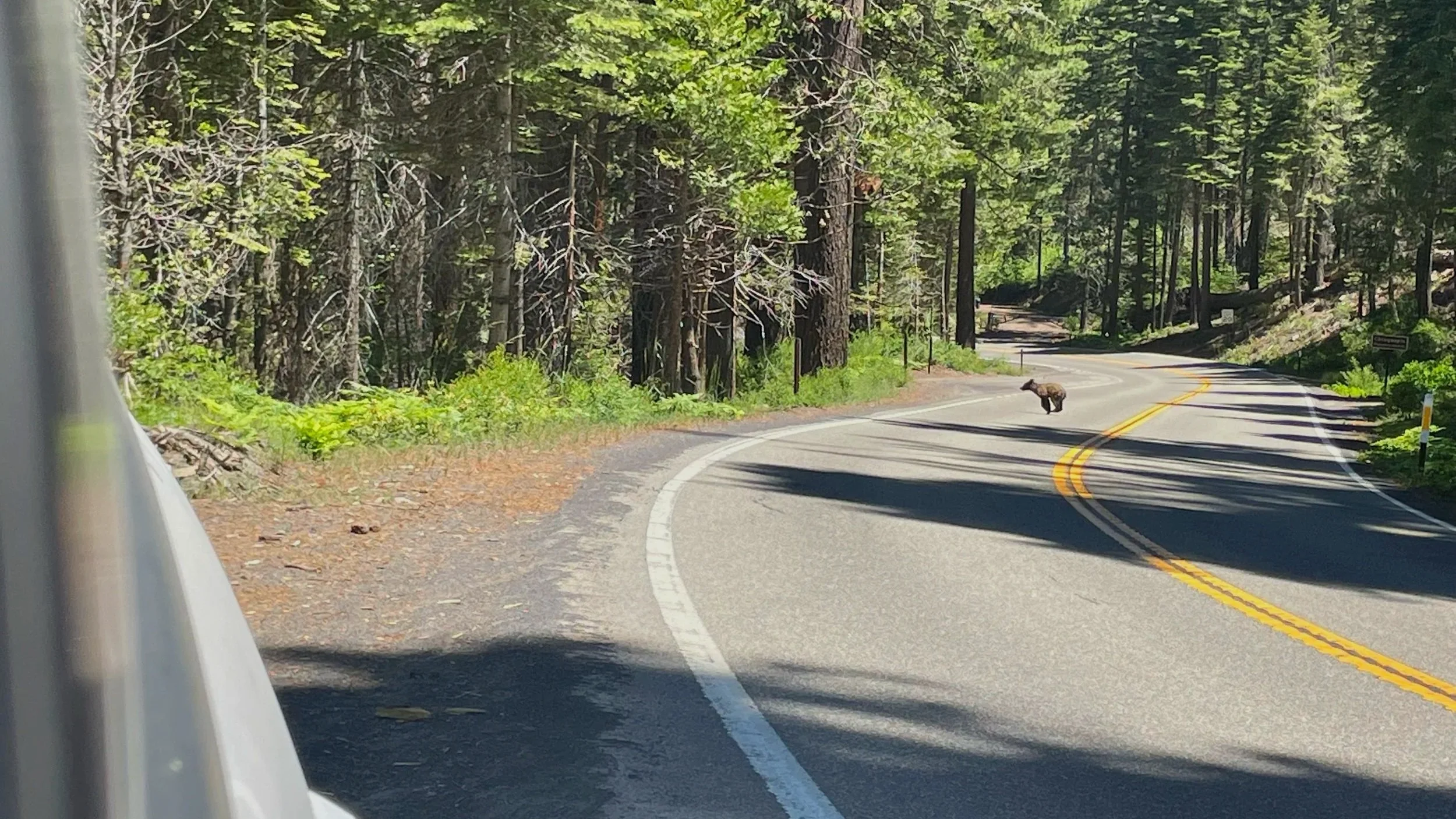
A lone bear cub runs across the road with me as its only witness.
Yes, Yosemite is home to black bears (no grizzlies, like in Yellowstone and other parts of the Rocky Mountains) that are very determined to eat your food! I spent a lot of time in all areas of the park and only saw a handful (including on a solo overnight backpacking trip—yikes).
Bears are most commonly spotted in Yosemite Valley where there are many meadows and campgrounds. My park ranger roommates who primarily worked at the Yosemite Valley Visitor Center each had bear management duties and during some parts of the summer they were out every evening chasing bears away from campsites.
If you are actively eating or preparing food, supervise it and be aware of your surroundings. Bears have been known to sneak up on people and get very close. If a bear does approach you, make a lot of noise to try and scare it away. If that doesn’t work, contact a park ranger.
If a bear habitually visits campsites looking for food and gets too used to humans, it can be a danger to the visitors, their property, and the bears. If the problem gets bad enough, the bear has to be euthanized, so please visit responsibly and keep all food and smelly things secured in a bear box, which are provided throughout the park. Don’t leave things in your car overnight—bears can get inside them and damage your car!
Luckily fatal bear attacks in Yosemite are extremely rare. However, they are still big, heavy, wild animals with sharp claws and teeth, so be smart, don’t feed them, and keep your distance.
Final Thoughts on Yosemite for First-Time Visitors
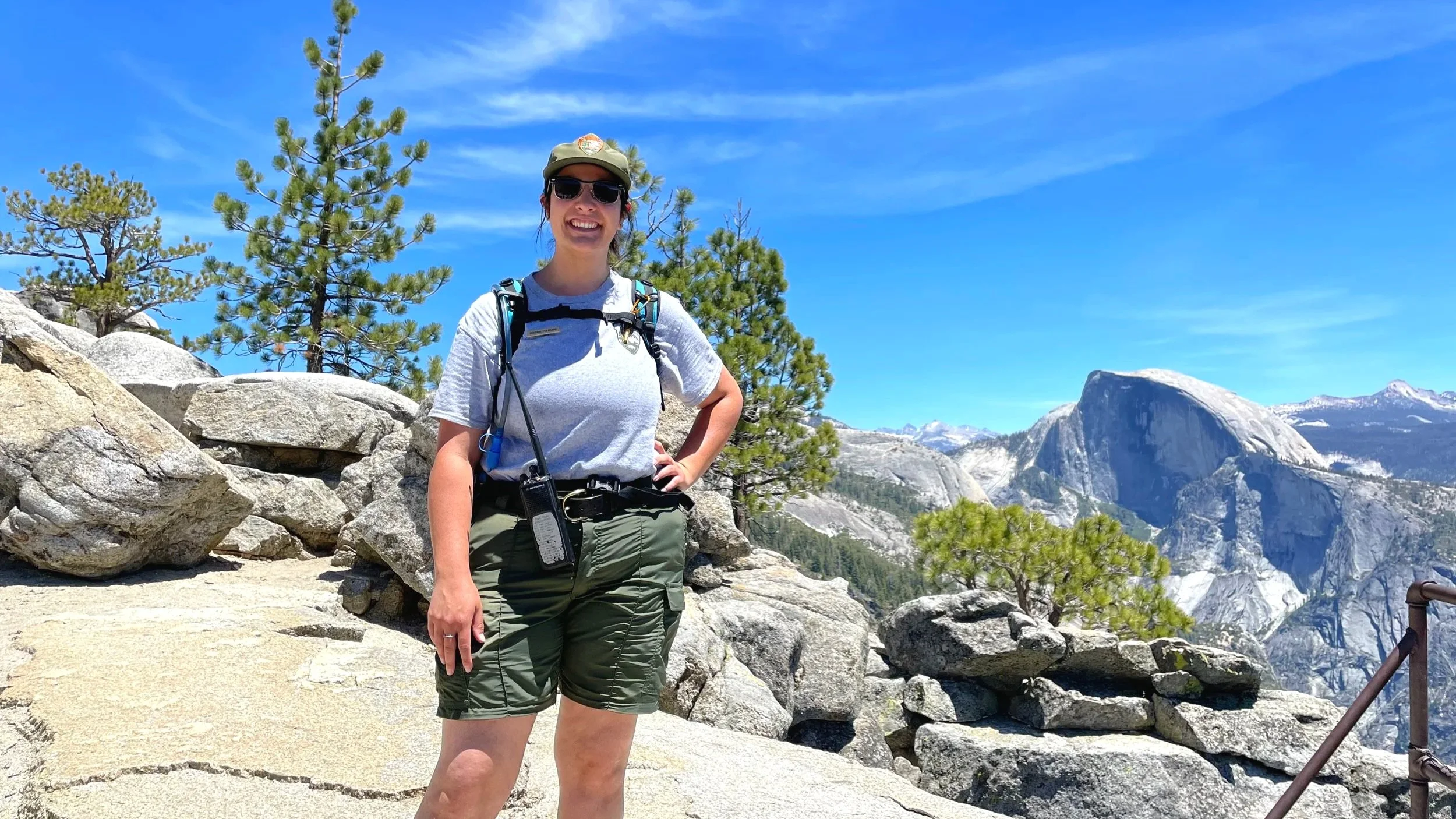
Yosemite National Park is a place like no other and there is a good reason so many people flock to it each year. From Half Dome to El Capitan to the alpine lakes on Tioga Road to the giant sequoias throughout the park, there really is just so much beauty and special history packed in one place.
I feel honored to have been able to work and live in Yosemite and hope you will appreciate the park just as much when you visit. Please visit responsibly, leaving no trace, and respecting the wildlife, other visitors, and the natural elements. If this guide helps you on your first visit to Yosemite, I’d love to hear about it in the comments below!
Check out my guide to the best day hikes in Yosemite, where I name the top 15 hikes in the park.
For more national park guides, see my Southern Utah Mighty Five itinerary, my camping guide to Great Smoky Mountains, and my trip to Hawaii Volcanoes on Big Island.
Pin for later!