
Trekking Poles 101: 3 Tips for Using Them on the Trail
Disclosure: This post includes affiliate links and sponsored content for products and experiences that I actually do use, recommend, or think are worthwhile. I may earn a commission if you click through.
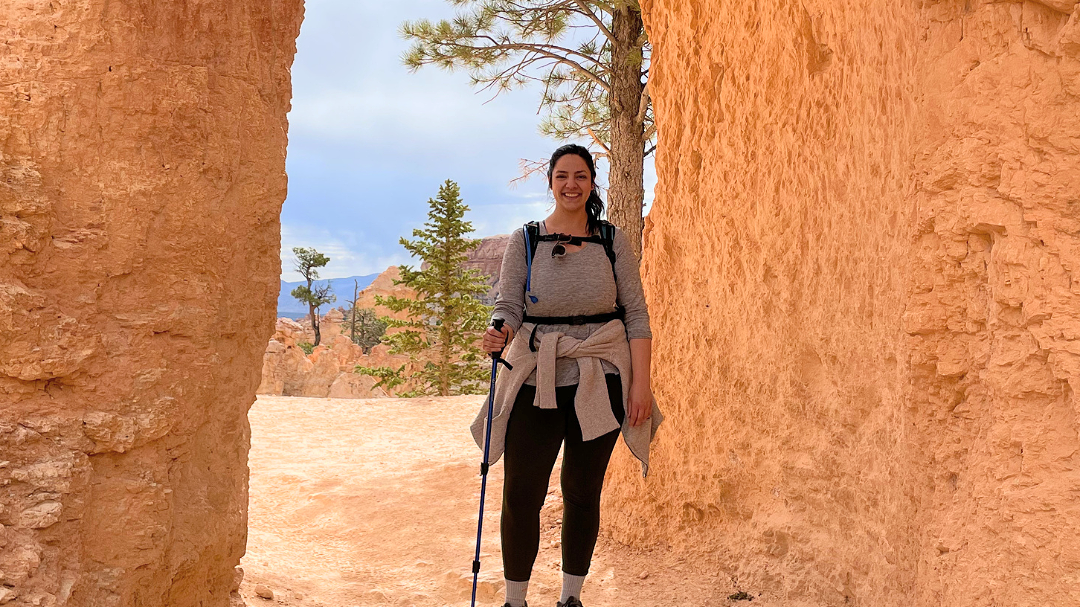
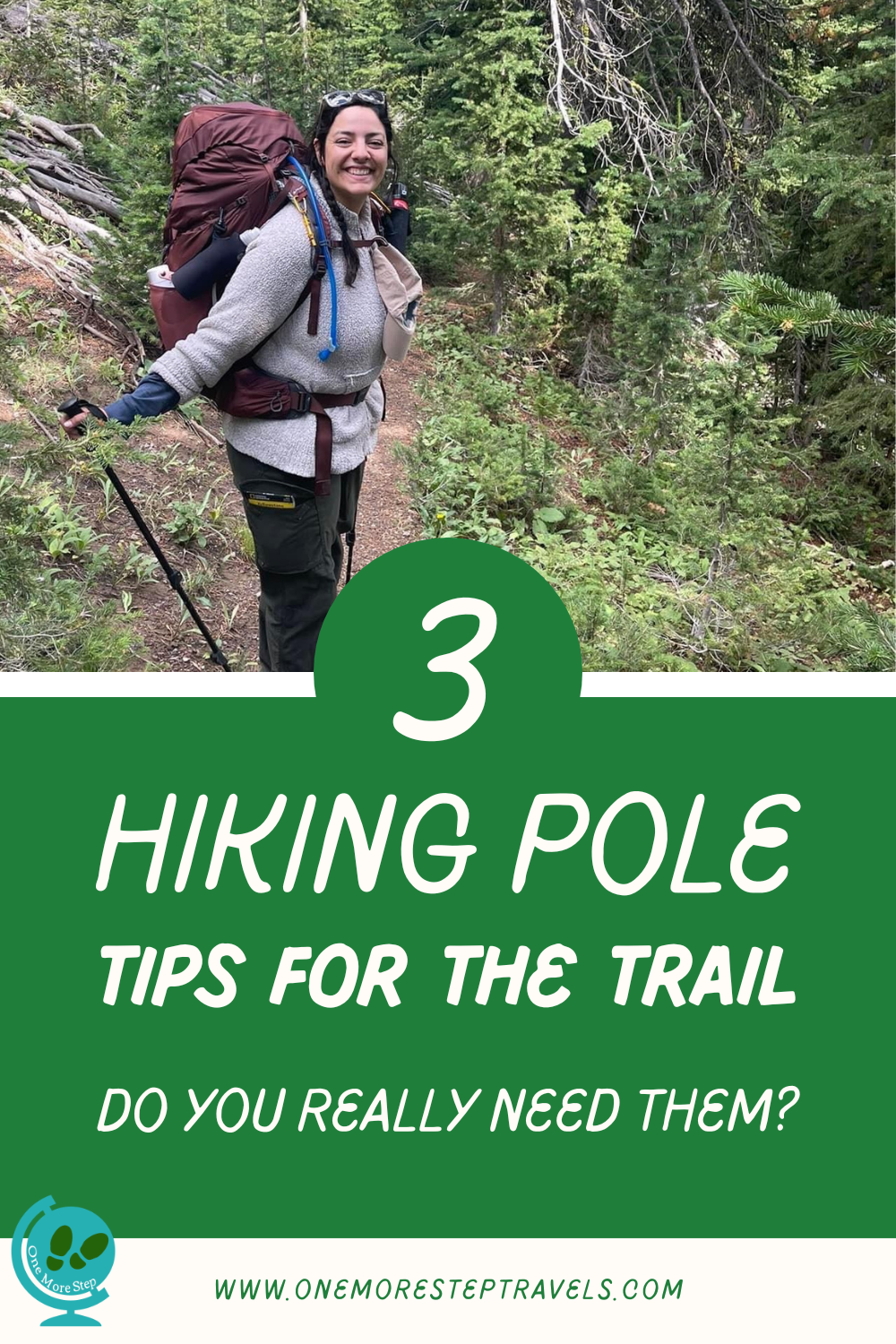
Let's talk hiking poles! I’ll admit that for many years I was too prideful to use them. I didn’t think I needed them and I didn’t want to be judged for using them. However, after hiking hundreds of trails over the last few years, including some that were very steep, it started to just make sense to bring them along.
I don’t own a fancy pair of trekking poles or anything super lightweight—honestly, mine are just hand-me-downs from my dad—but whatever pole you decide to use, they can be game-changing. Here are three hiking tips for using them properly.
1. Don't be self-conscious about using trekking poles
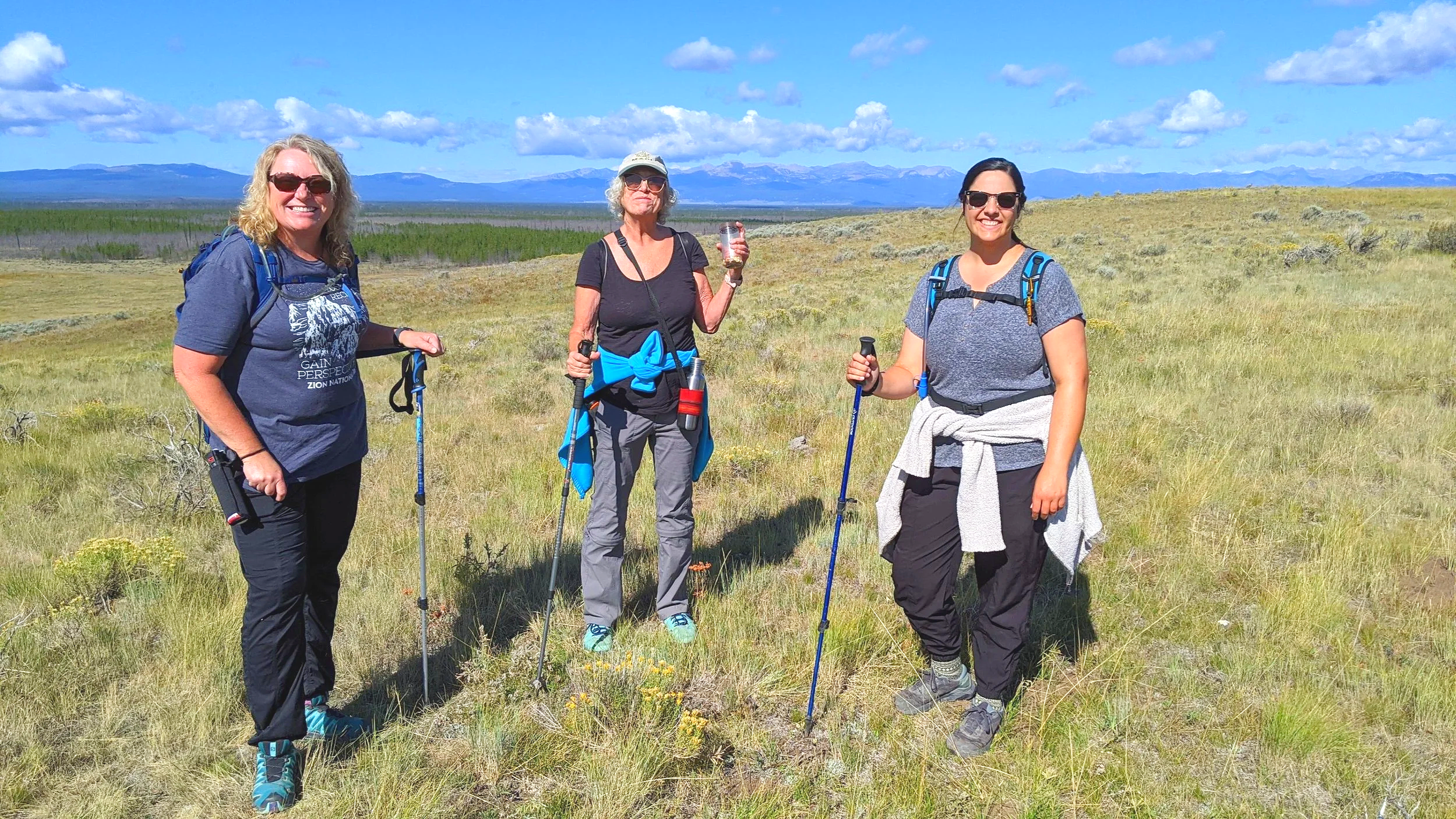
There is a weird stigma that trekking poles are just for older people or those who are out of shape or recovering from an injury. But that’s not true—they're for everybody! Hiking poles are a great way to keep a consistent pace, keep your joints happy, and give you a little extra oomph when climbing steep hills.
They are also great for stability, especially if you are carrying a heavy pack. Lightweight hiking poles are preferred by most hikers because they will be something you hold in your hands throughout most of your trek. If you are backpacking, you may even want to consider ultralight poles, though those tend to be pretty pricey.
2. Adjust the length of your poles as needed
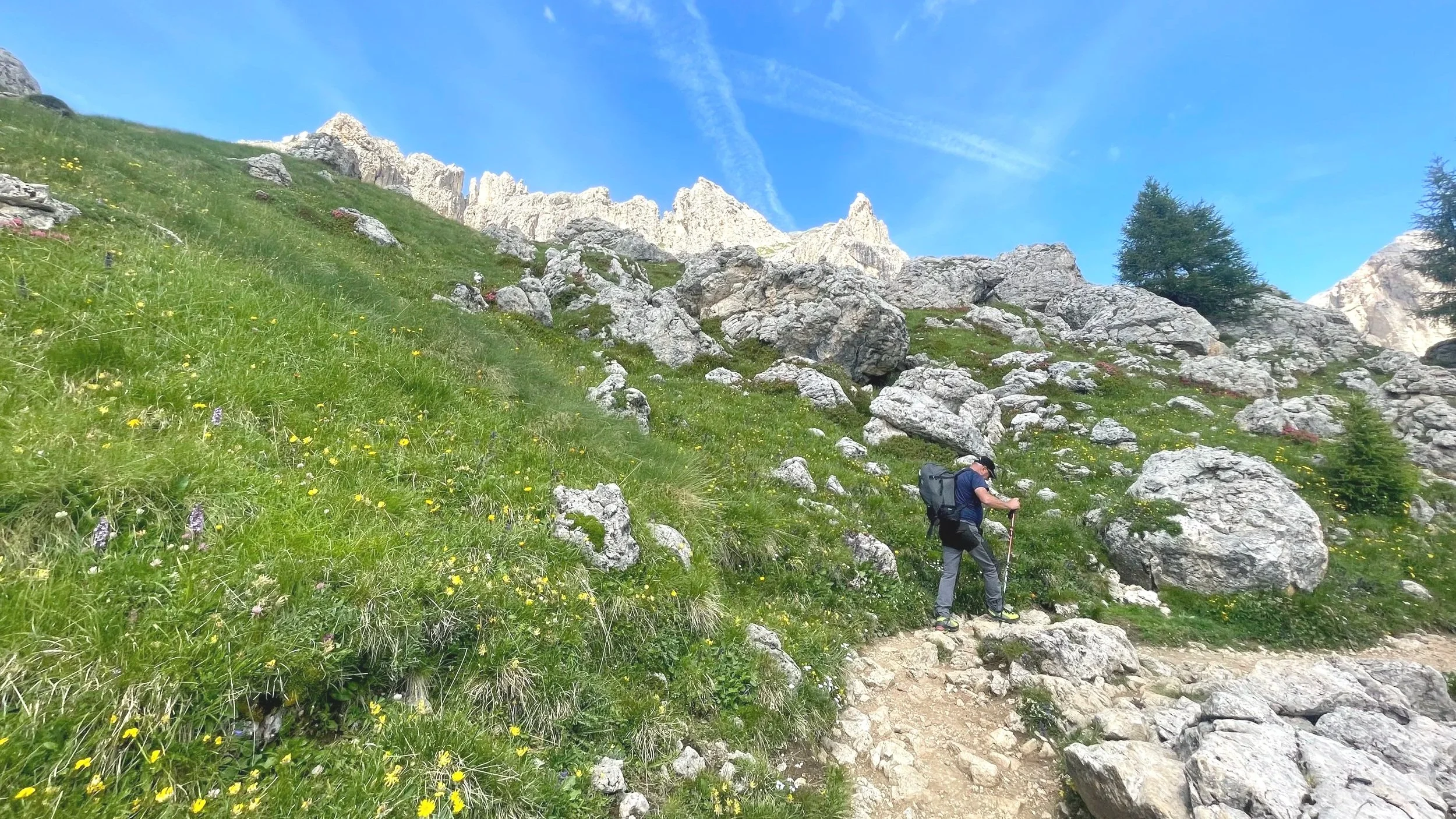
Most hiking poles are adjustable, and when using them, you’ll be more comfortable and find them more effective if they are the correct length. To determine that length, take into account your height and arm length. You want your arms to be at a 90-degree angle when gripping the pole handles for maximum comfort. Make sure you lock your poles in place after adjusting them.
When hiking downhill, extend the poles longer than you would when hiking uphill. This will keep you balanced and prevent your arms from tiring, since the ground is further away when you are facing a downward slope.
3. Know when to leave the poles behind
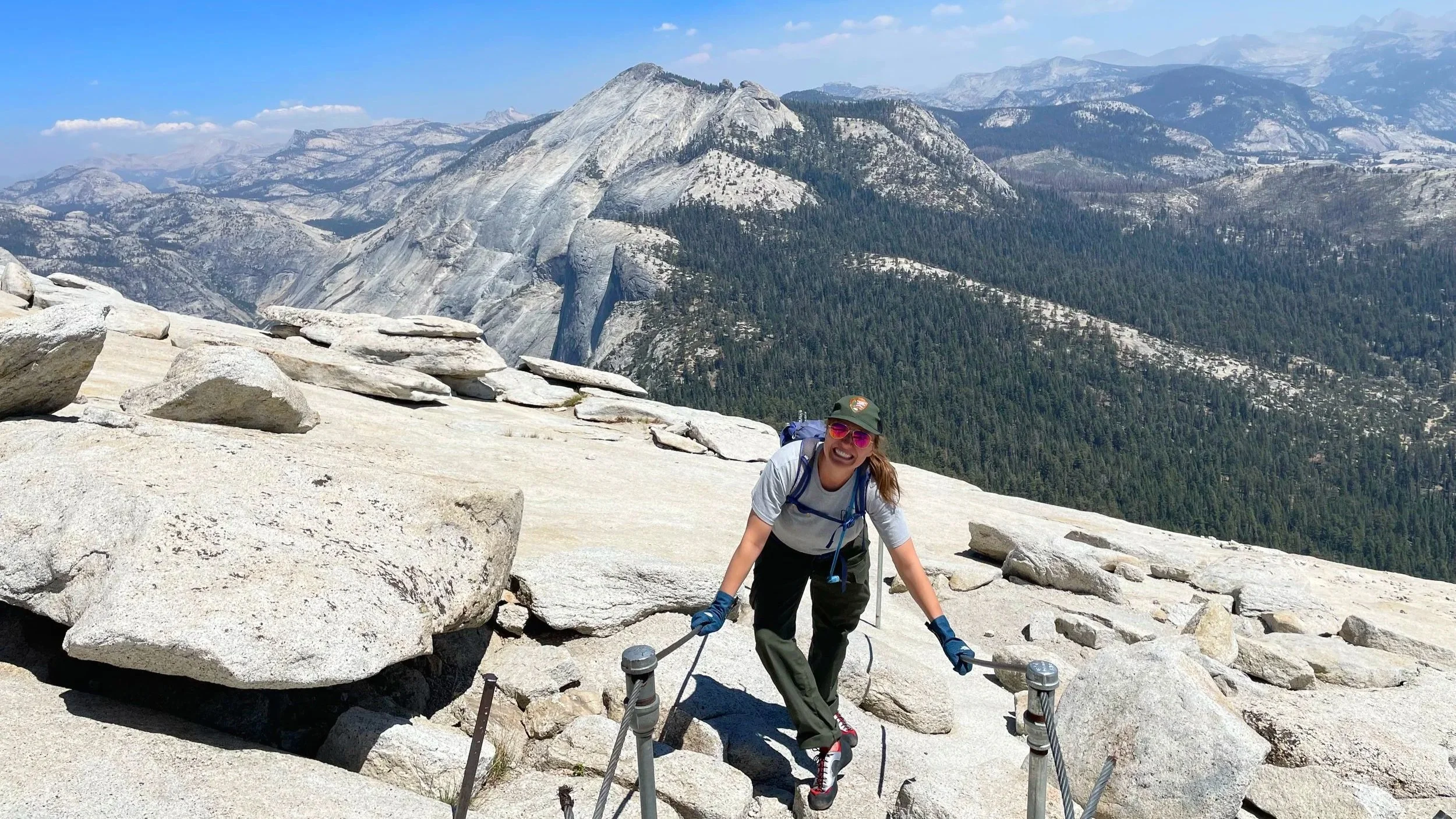
There may be times on the trail when you will need to secure your poles to your pack so you can use your hands, even if your poles have come in handy throughout the trail. That is normal, but it is also normal to not need trekking poles at all.
Before you hit the trail, check the elevation gain on the trail. If the trail is relatively flat, skip the poles. They will just be more weight to carry and get in the way if you ever need to use your hands, such as to get a drink or a snack.
If you anticipate doing a lot of scrambling or vertical climbing on a trail, this may be another time to consider leaving the hiking poles at home. Poles could pose a hazard when attached to your pack by getting caught on something or poking you if you take a tumble.
Lastly, leave the poles home if you are traveling to your trail by plane and only bringing a carry-on. Blunt-tipped poles are technically allowed in carry-on bags, but the enforcement varies and any type of hiking pole runs the risk of getting confiscated by TSA.
Hike Smarter, Not Harder
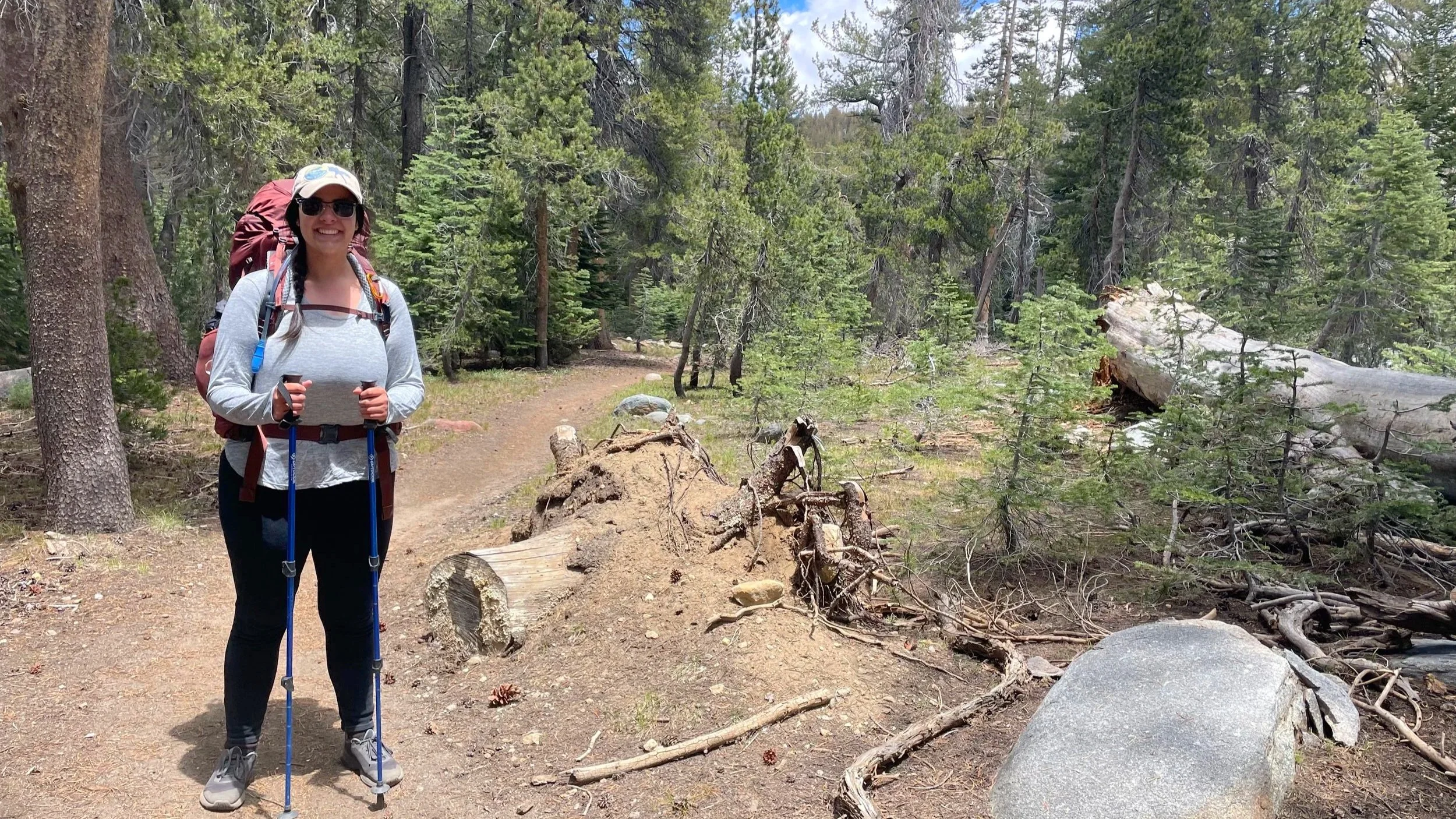
At the end of the day, trekking poles are tools and, like any tool on the trail, their value comes down to how you use them. Leave the trail ego at the trailhead, adjust your locks as the elevation shifts, and check the trail ahead of time to know if you truly will need them.
Your knees, hips, and lower back will thank you on mile one, mile ten, and ten years down the road.
Do you use hiking poles? Let me know your thoughts on them in the comments!
Hate crowds while hiking? Here are three ways to navigate them and have a better experience on the trail.