3 Crucial Tips for Hiking in the Snow during Spring
Disclosure: This post includes affiliate links and sponsored content for products and experiences that I actually do use, recommend, or think are worthwhile. I may earn a commission if you click through.
Chances are, if you visit a mountainous area during March, April, and perhaps even May, you will encounter snow! The surrounding valleys may be green and starting to warm, but high-altitude locations often take much longer for all the snow to melt away.
Don’t let the snow deter you from exploring! Spring is a beautiful time to get into the mountains (assuming the roads are open and clear) and take a crisp hike.
I have hiked in snow many times, including solo hikes. It can be intimidating at first, even disorienting at times, but I love the sound of the melting water dripping and flowing and seeing the trees and ground start to peak out beneath melting snow. It is magical in a way that summer and fall hiking can’t provide.
If you want to experience your own snowy spring hiking adventure, follow these hiking tips for a safe and fun hike!
Tip #1: Wear proper gear
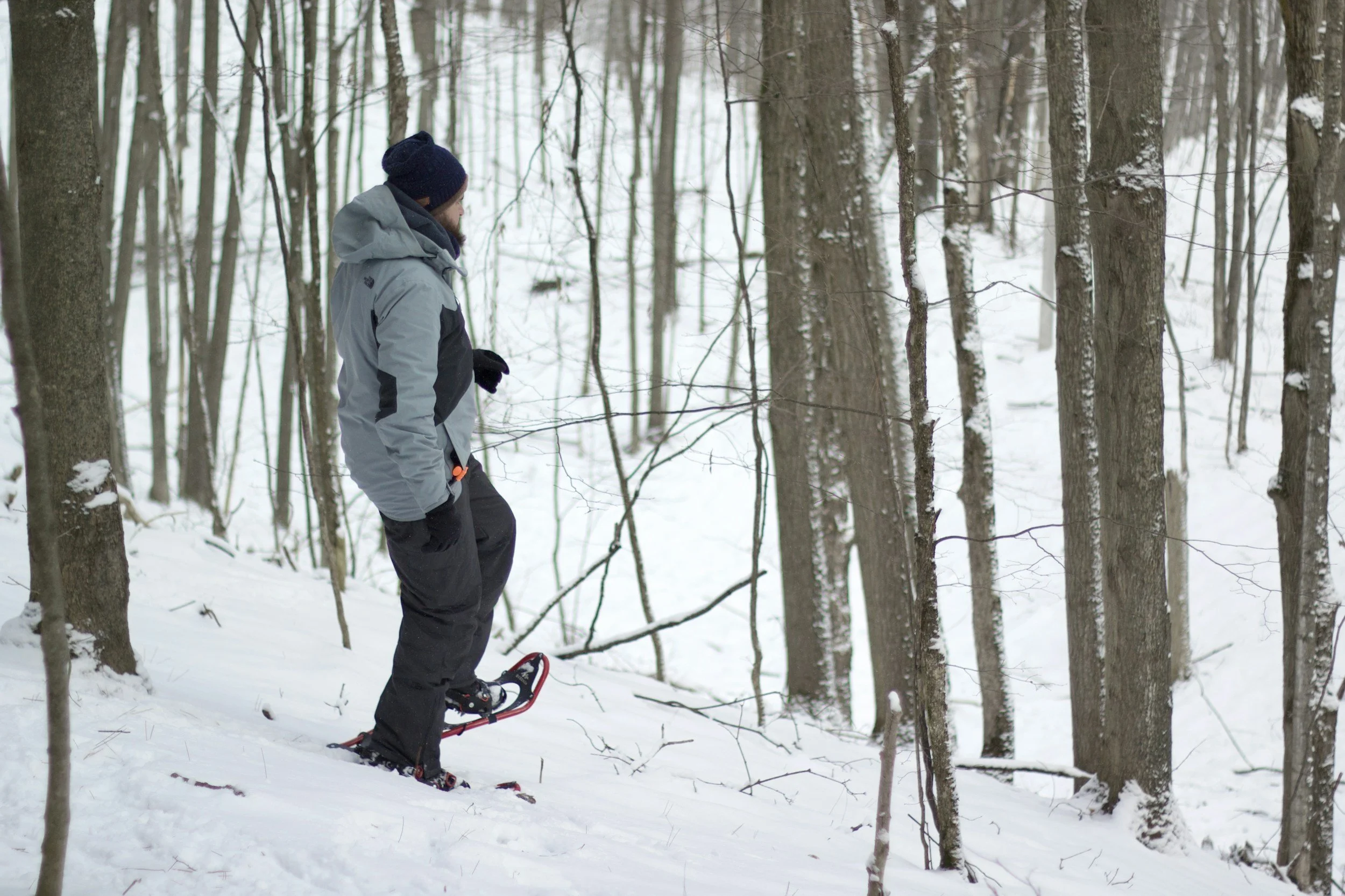
I once tried to snowshoe in regular tennis shoes, which very quickly filled with snow. It made the trip so unenjoyable and my feet so wet that I had to cut the trip short. Don’t make the same mistake—wear proper foot gear, such as waterproof hiking boots, that will keep your feet dry and warm. You may even want to consider waterproof gaiters, which I like to use when the snow will be soft or slushy because they keep my legs dry past where my boots reach and they aren’t as hot as snow pants.
On certain trails, especially those with steep climbs, you may need to wear snow shoes or microspikes. I prefer microspikes if the snow is not too deep or if it is very compact because they are much smaller, more portable, and easier to walk in. The kind I use are a stretchy rubber material with springs on the bottom that prevent me from sliding around or sinking into the snow.
Beyond footgear, you will want to dress in breathable layers. Be sure to have a base layer to wick your sweat, a thermal layer to keep you warm (that you can remove if you get too warm after exerting yourself), and an outer shell to keep your dry/protected from the wind.
Gloves, a warm hat, and a scarf/face covering can protect against hypothermia and frostbite if the weather is still very cold or if you are caught on the mountain after dark.
If you’re interested in snowshoeing, but nervous to go alone or without an expert, here are some snow hiking tours in some of my favorite alpine locations in the USA:
Tip #2: Know your limits and turn back if you need to
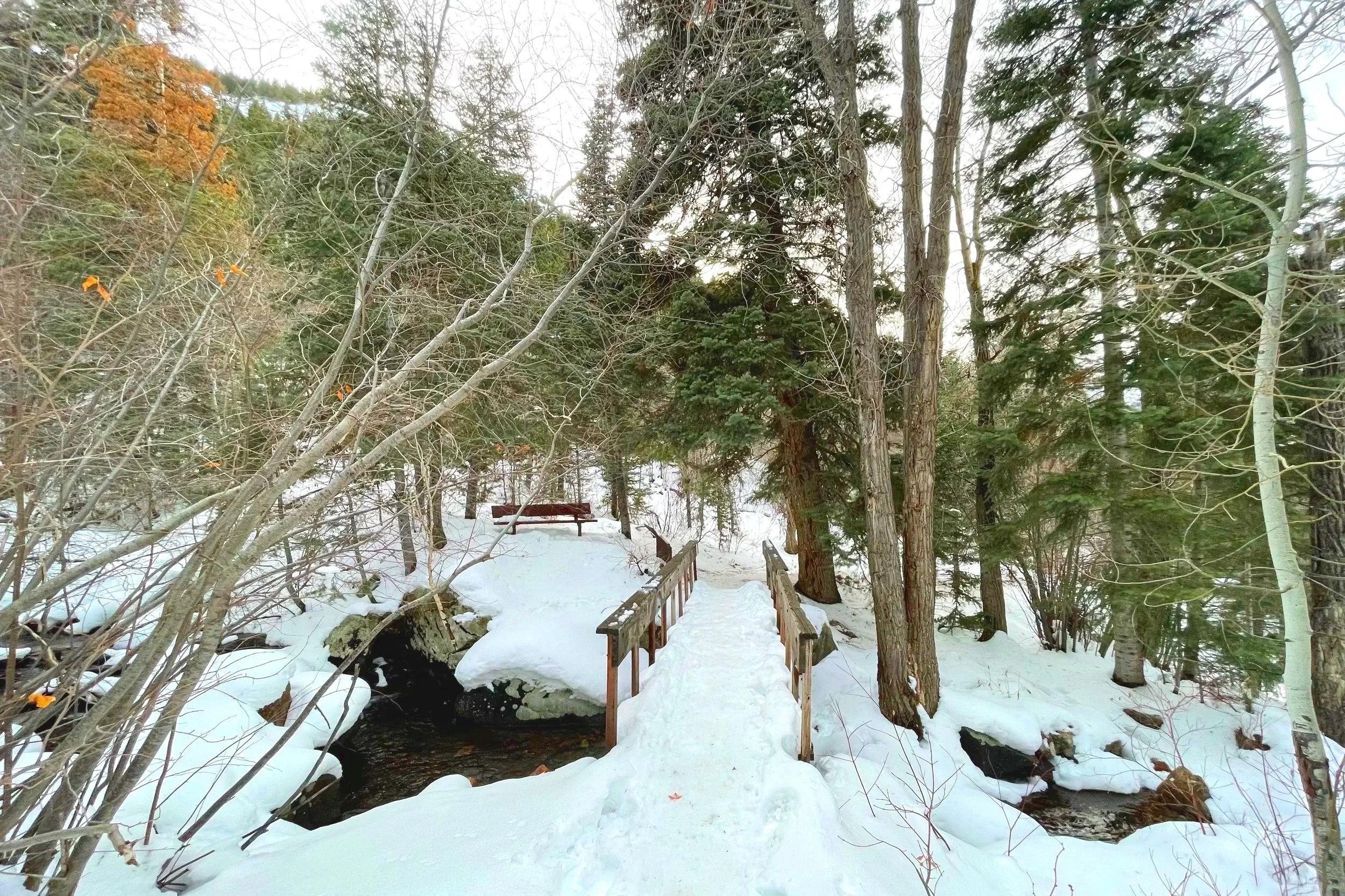
I once started a 6-mile roundtrip hike about two hours before sundown, thinking I could make it to a lake and back in that time. I ended up not even getting halfway to the lake before I had to turn around, in order to make it to my car before dark. The trail just took me so much longer in the snow than I anticipated.
Don't underestimate how hard it can be to walk on snow and ice, especially on a slope and at high altitudes. If you don't make it as far as you thought you would in a certain amount of time, don't be ashamed to turn back before you finish the trail!
It is crucial to know when the sun will set and to either prepare for colder hiking in the dark or make it off the trail before dark. When the sun sets, it gets significantly colder and harder to navigate icy trails.
Hiking in cold weather also burns more calories, so pack snacks, take breaks when needed, and turn back before you are in an exhausted state.
Tip #3: Avoid avalanche-prone areas
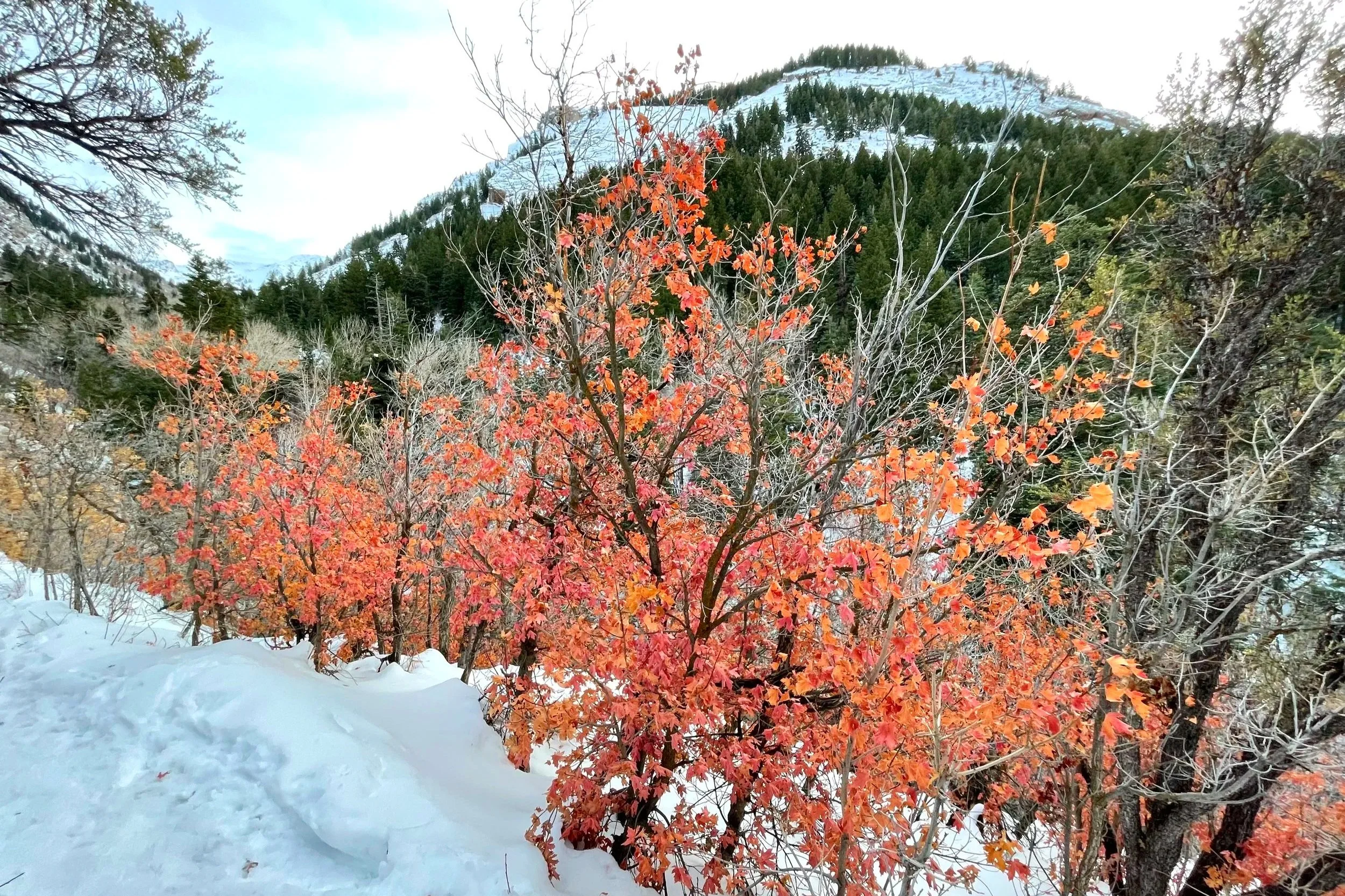
A very popular waterfall hike in Utah is always enticing in the spring when the water is flowing at its highest volume, but a bad avalanche swept through the trail a few years ago, downing dozens of trees. And that wasn’t a one time occurrence—the trail crosses through several common avalanche paths due to its steep terrain.
Before hitting a trail in the mountains, check weather conditions and the slope conditions of the trail. If there are warnings to not go on that trail because of potential avalanche danger, DON'T GO, regardless of how popular the trail might be.
Be aware that spring is an especially dangerous time for avalanches as the sunnier skies bring melting snow. Even if the top crust of snow looks hard, the layer underneath may be shifting, which can cause avalanches. Don’t rely on your vision to know if somewhere is safe to hike—check a trail report.
If you insist on hiking where there is avalanche danger, carry avalanche safety gear with you and know how to use it. This includes a shovel, probe, and beacon. I’ve never had to use any of that equipment, but USDA has a great article on how to survive an avalanche.
Reminder: Getting to and from the trail is half the battle. I always take my Subaru into the mountains, which has AWD. If you are renting a car, keep in mind that mountain road conditions can be unpredictable in the spring. Check Discover Cars for AWD vehicles in the location you are visiting.
Final words on spring snow hiking
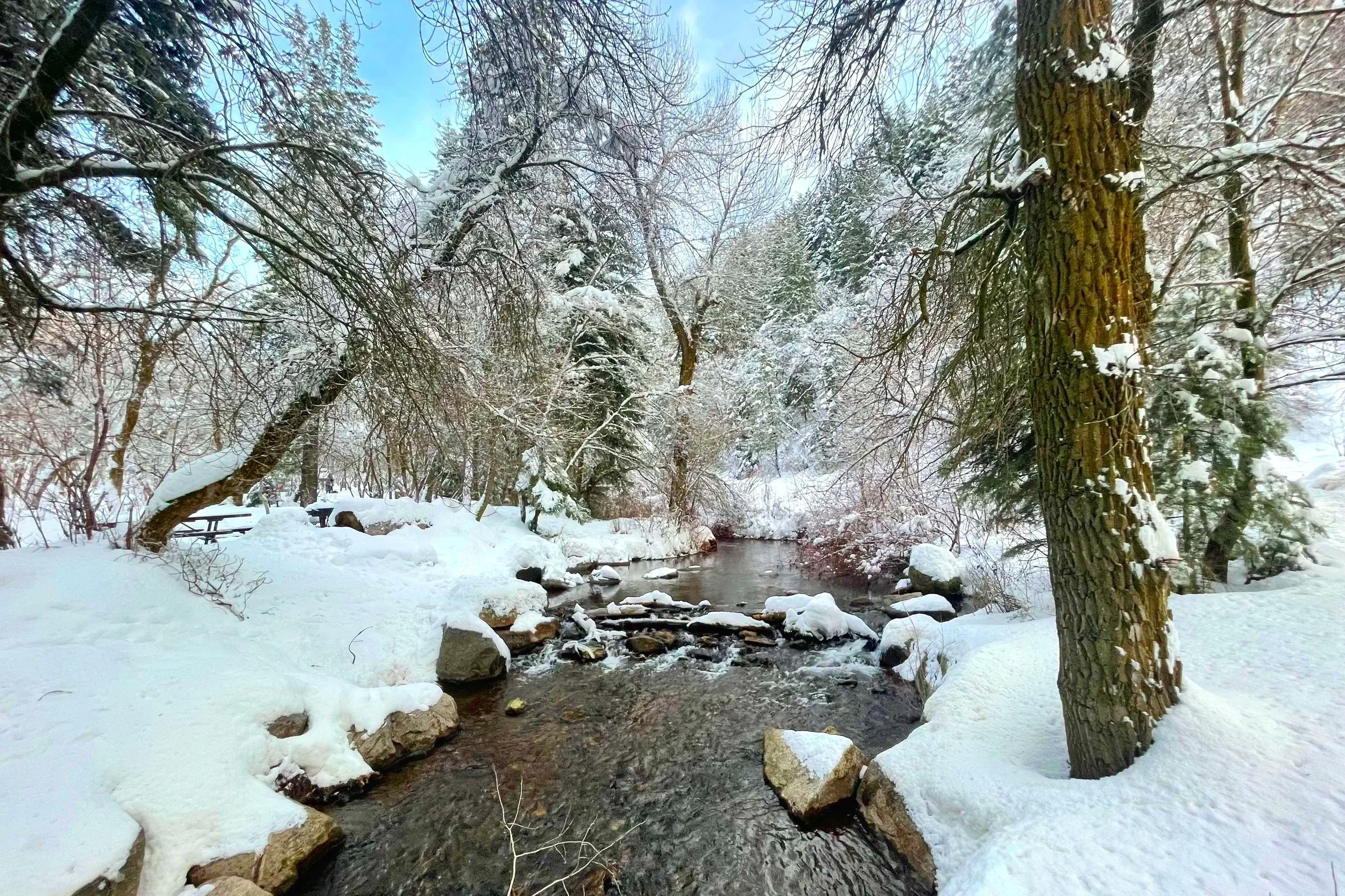
From the Wasatch Mountains in Utah to Yellowstone to Yosemite, hiking in the spring snow has been a delightful experience for me when I am properly prepared. Don’t forget these three simple tips for your next spring snow hiking adventure:
Wear proper gear
Know your limits
Avoid avalanche-prone areas
If you’re traveling to your snowy spring hiking destination, don’t forget to book your hotel!
For more hiking tips, check out my hiking tips page. Beyond being a former national park ranger and promoting hiking in Utah Valley, I have also been an avid hiker in my personal life for years. Check out my 52-hike challenge when I accomplished one hike a week for a year. Since then, hiking has been a regular part of my life, even while living in the plains of Texas.
Pin for later!