
Travel Tips: 6 Easy Steps to Planning the “Great American Road Trip”
Disclosure: This post includes affiliate links and sponsored content for products and experiences that I actually do use, recommend, or think are worthwhile. I may earn a commission if you click through.
Whenever I’m in dire need of an adventure, I hop in my Subaru and take a road trip to somewhere new in the USA. I mostly visit national parks and beaches and anywhere along the way that interests me.
Altogether, I have driven from coast to coast twice, up the coast of California and the Pacific Northwest, through Texas, around Utah’s five national parks, and beyond! Each trip I take gives me incredible experiences that I cherish—whether that’s hiking in Yellowstone or camping in the Smoky Mountains.
I want to share how I plan my road trips across America so you, too, can have amazing adventures, without even booking a flight. Below, you will find an extensive, step-by-step guide for how to plan your “Great American Road Trip”, complete with road trip tips spread throughout each step.
Step 1 – Map Your Route
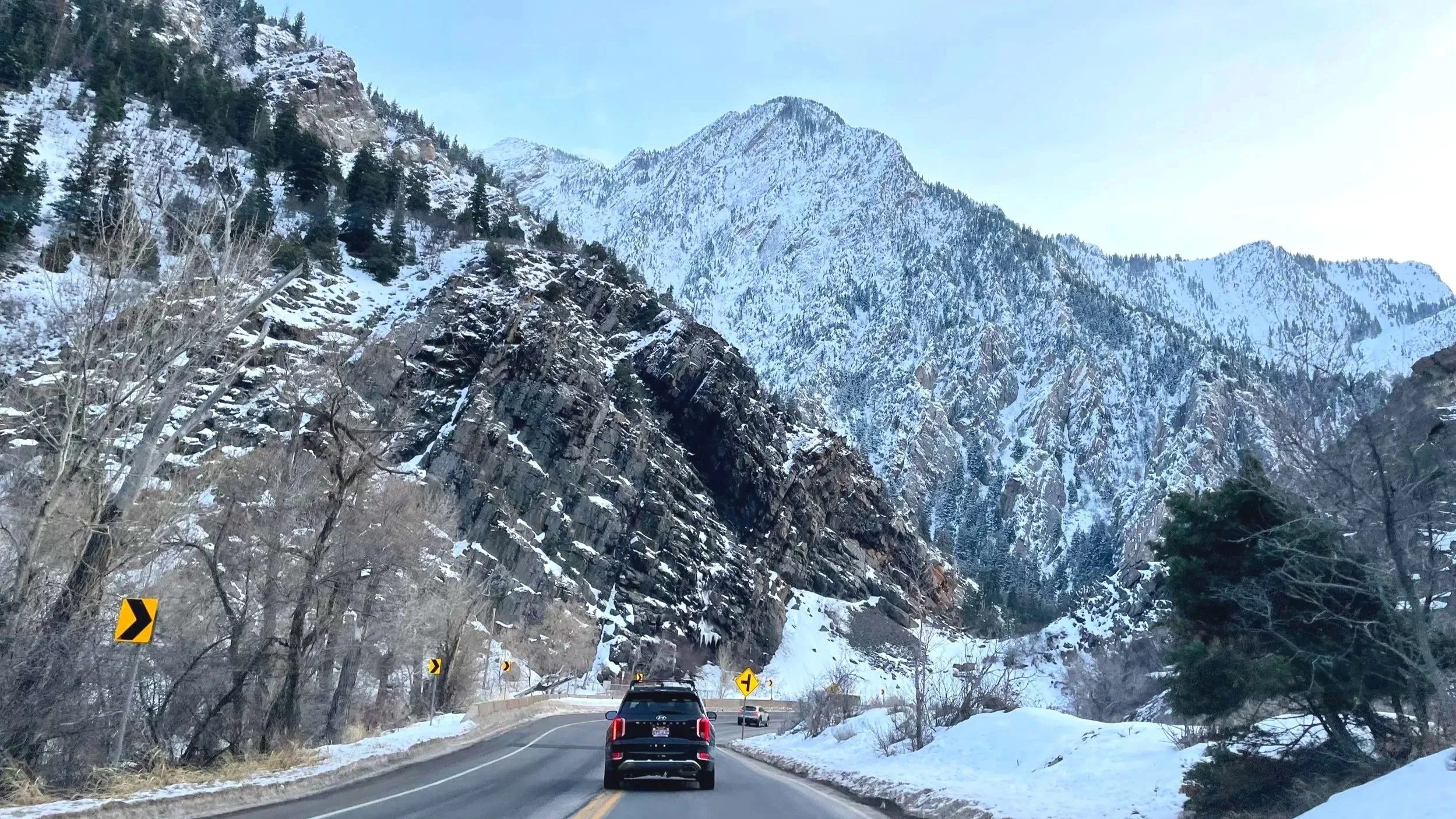
The first part of planning a road trip is mapping out your route. The United States is a huge country and the options for road tripping are endless. Having a route to follow will help make your trip a success. Here are some of the top destinations in the United States to help you decide where you want to spend your time.
Your first decision to make is picking what type of road trip you want to take: will you drive from the city you live in to another destination and back? Or are you going to fly to a different city and drive somewhere?
Road trip tip #1: Choose a starting point that works best for you, even if that means flying to it and renting a car.
I have been lucky enough to live in Salt Lake City, Utah for much of my life, which is within twelve hours of Los Angeles, Las Vegas, San Francisco, Denver, and over 20 national parks. It makes a great starting point for many road trip journeys in the West!
After planning your starting point and the type of trip you’ll take, decide on your ultimate destination—the main priority and the core reason for your trip. Put the two points on a map to see how many hours of driving it will take and how many days that adds up to.
Road trip tip #2: Aim to drive no more than eight hours a day, and six if the trip is short.
That way, drivers don’t get burned out by day two and there is still plenty of daylight to enjoy activities along the way. Trust me, I learned on my four-day weekend road trip to Mount Rushmore that the sweet freedom of road tripping loses its savor after too many hours in a cramped car. Out of the four days, two were 10-hour driving days and two were packed with activities and sights, plus more driving. It was exhausting!
For example, if I wanted to road trip from Washington, DC to Great Smoky Mountain National Park, I would count the number of days desired at the destination and the number of days it will take to drive. It takes 7.5 hours to drive to the Smoky Mountains, which I could do in a day, plus four days of exploring, plus one more day of driving back. Since the drive is less than eight hours, I could stop at places along the way or I could add on another day if time allows. Altogether, that would be six or seven days for an exciting road trip!
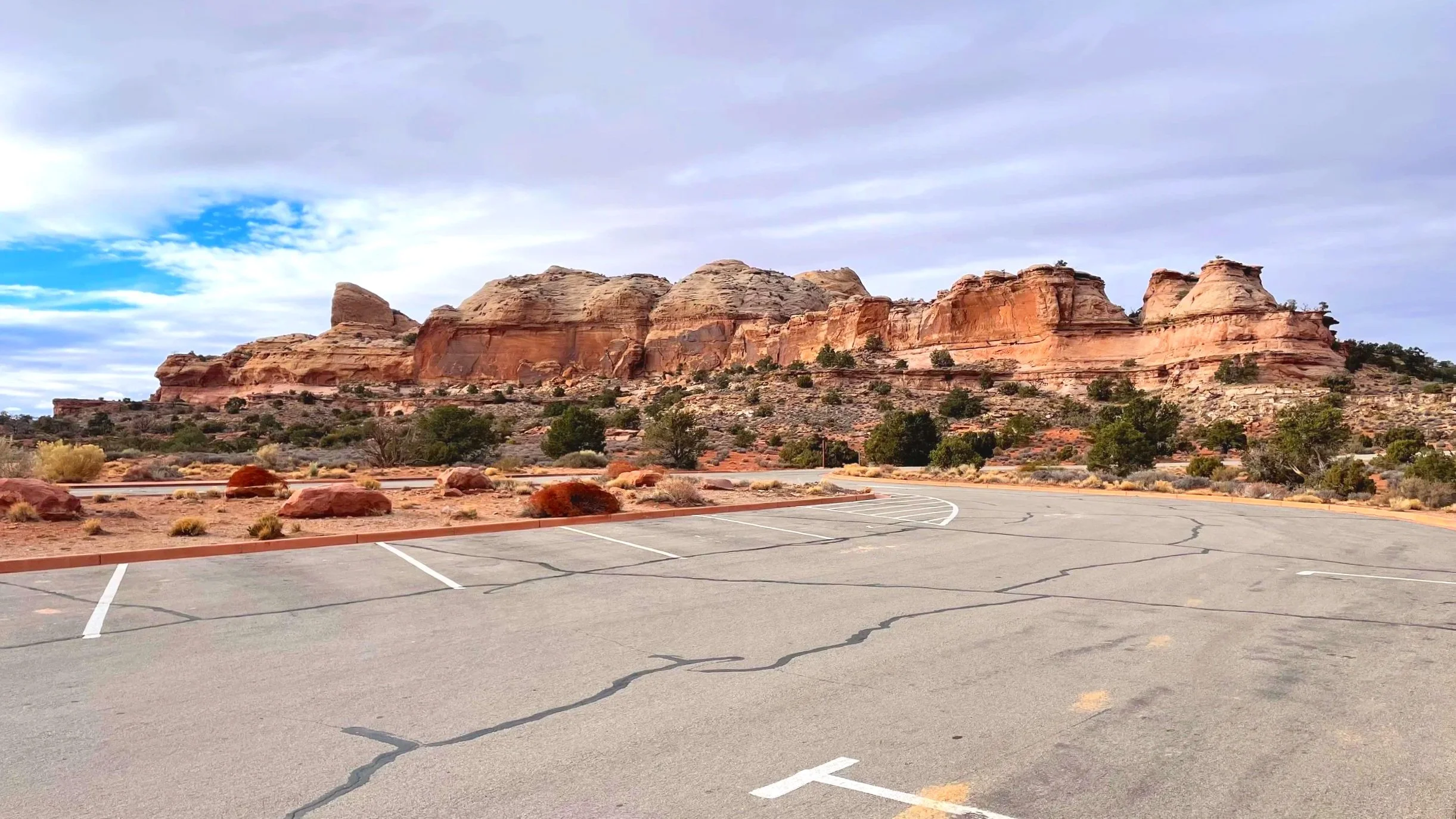
An alternative to a there-and-back road trip is to start in one place and end in another. For example, if I wanted to see all the national parks in Southern Utah, I could fly into Salt Lake City, drive along a route that passes each park, and end in Las Vegas. This type of trip works best if you have to fly to your starting point anyway.
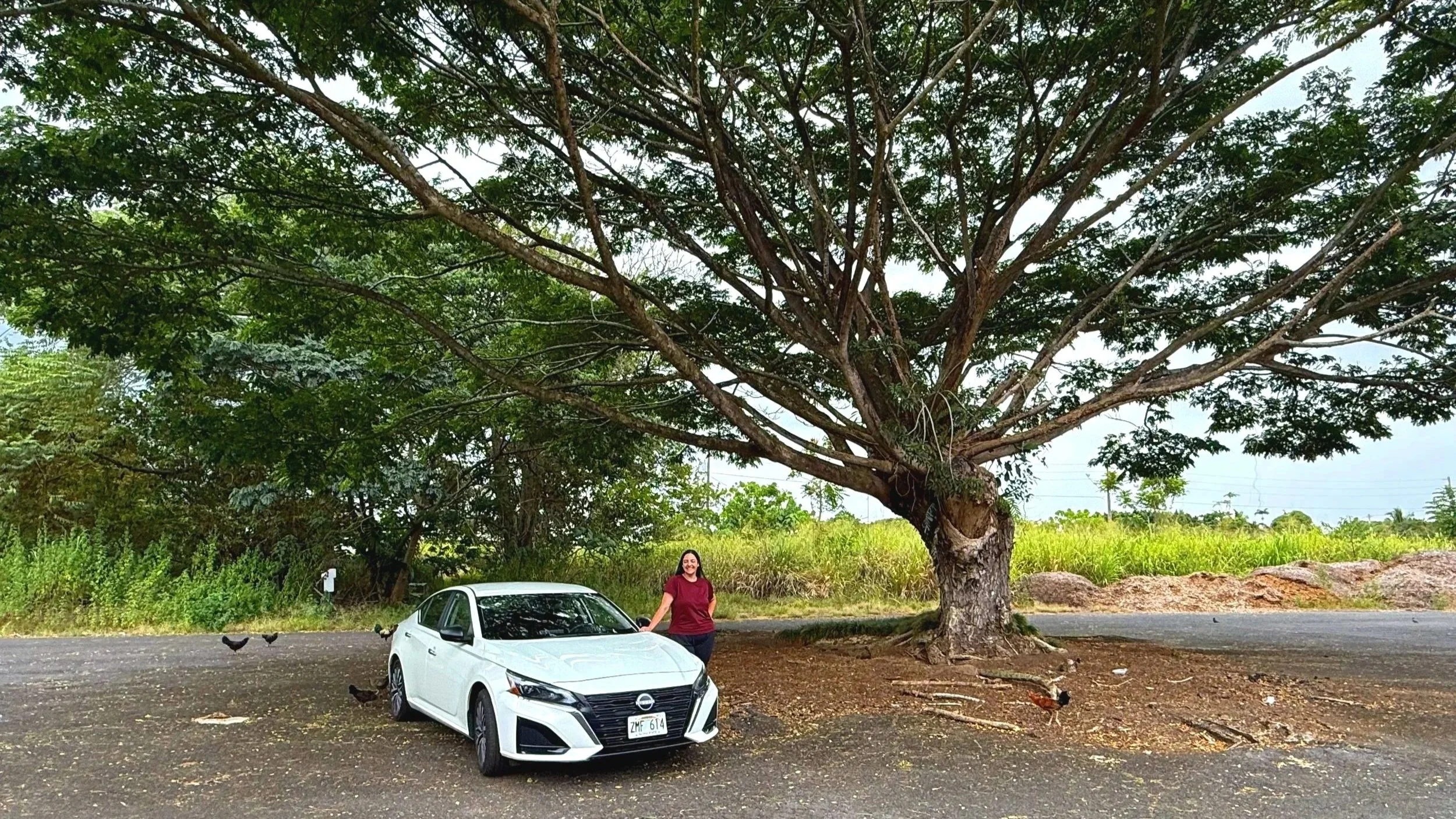
Most rental car companies allow different pick up and drop off locations, making this type of trip easy without any backtracking. I’ve had luck finding those types of rentals on Discover Cars, including during my Big Island road trip.
A third option is to drive a in loop. Start in one city, plot out three or four major attractions within a few hours of each other, and then end back in your start city. For example, if I lived in San Francisco and wanted to visit Lake Tahoe, Yosemite, and Monterey, I could connect each destination on a map and drive in a big circle until I was back in San Francisco!
Road trip tip #3: When planning your route, research what the road conditions will be during the time of year you plan to road trip.
If you come from a warm coastal area, you may be surprised to realize that some mountain passes and other major roads in high altitudes or northern regions entirely shut down during the winter. Throughout America and during different times of the year, some roads may require snow tires or chains, some may be remote with no gas stations for over a hundred miles, and others may be closed during heavy rain due to landslides or flooding.
Check weather forecasts, news about local areas, and other relevant resources. During the pandemic, many Native American reservations closed, including Navajo Nation in northeastern Arizona. Its closure made the popular drive from the Grand Canyon South Rim to Page, Arizona impossible. You don’t want to find out about something like that when you’re already on the road!
Step 2 – Plan Your Transportation
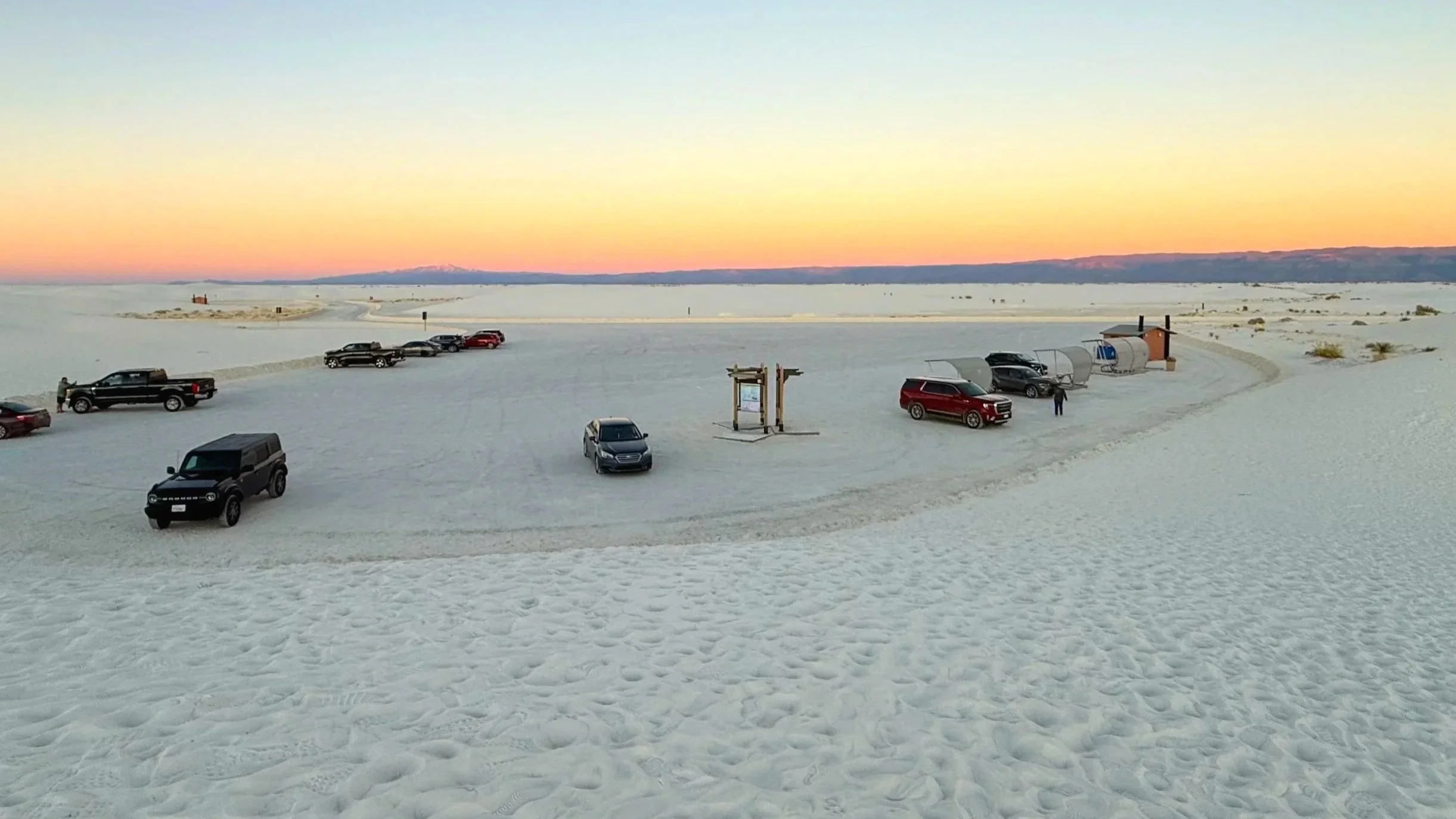
Planning transportation gets its own section—after all, you’ll be spending lots of time in your car or RV!
First things first, make sure each driver for your Great American Road Trip has a valid and current driver’s license. This isn’t a tip—it’s the law!
For travelers from outside the United States, you must have a valid driver’s license from your home country. Additionally, some states may require you to have an International Driving Permit, which you can find more information about here.
If you’re coming from the UK, New Zealand, or other countries that drive on the left side of the road, be prepared to drive on the opposite side from what you’re used to. I drove in New Zealand’s North Island for a few weeks and the adjustment took some getting used to, but I did get the hang of it after a while.
If you are from the United States, a driver’s license issued from your home state will be accepted throughout the country, but you may still want to brush up on the driving laws for each state you’ll be passing through—they may vary, and you don’t want to get pulled over for being ignorant. For example, in Utah on Interstate 15, it is illegal to drive in the left lane except when passing… a law I wish existed in Alabama where drivers slowly take up both lanes on the freeway, making passing impossible!
To prevent getting pulled over, follow the speed limit and other posted laws, make sure you have current tags, working blinkers and taillights, and wear your seatbelt. If you do get pulled over, you will need to show the officer proof of car insurance and your driver’s license, so make sure each are in an easy-to-reach location, such as the glove compartment.
Once you have those things figured out, decide what type of vehicle you will be using for the drive.
Road trip tip #4: Refer to your planned route from Step 1 when choosing your vehicle so it will match your specific needs.
My favorite vehicle for road tripping to remote places is my former Subaru Outback. It has all wheel drive, big tires that lift the car and make driving on a variety of roads easy, and a large trunk that can be easily covered to conceal its contents and hold all equipment needed for camping or other recreation. For road trips from city to city, I prefer my Subaru Legacy that is a sedan and much more compact than a midsize SUV, making navigating downtown traffic and finding parking a bit easier.
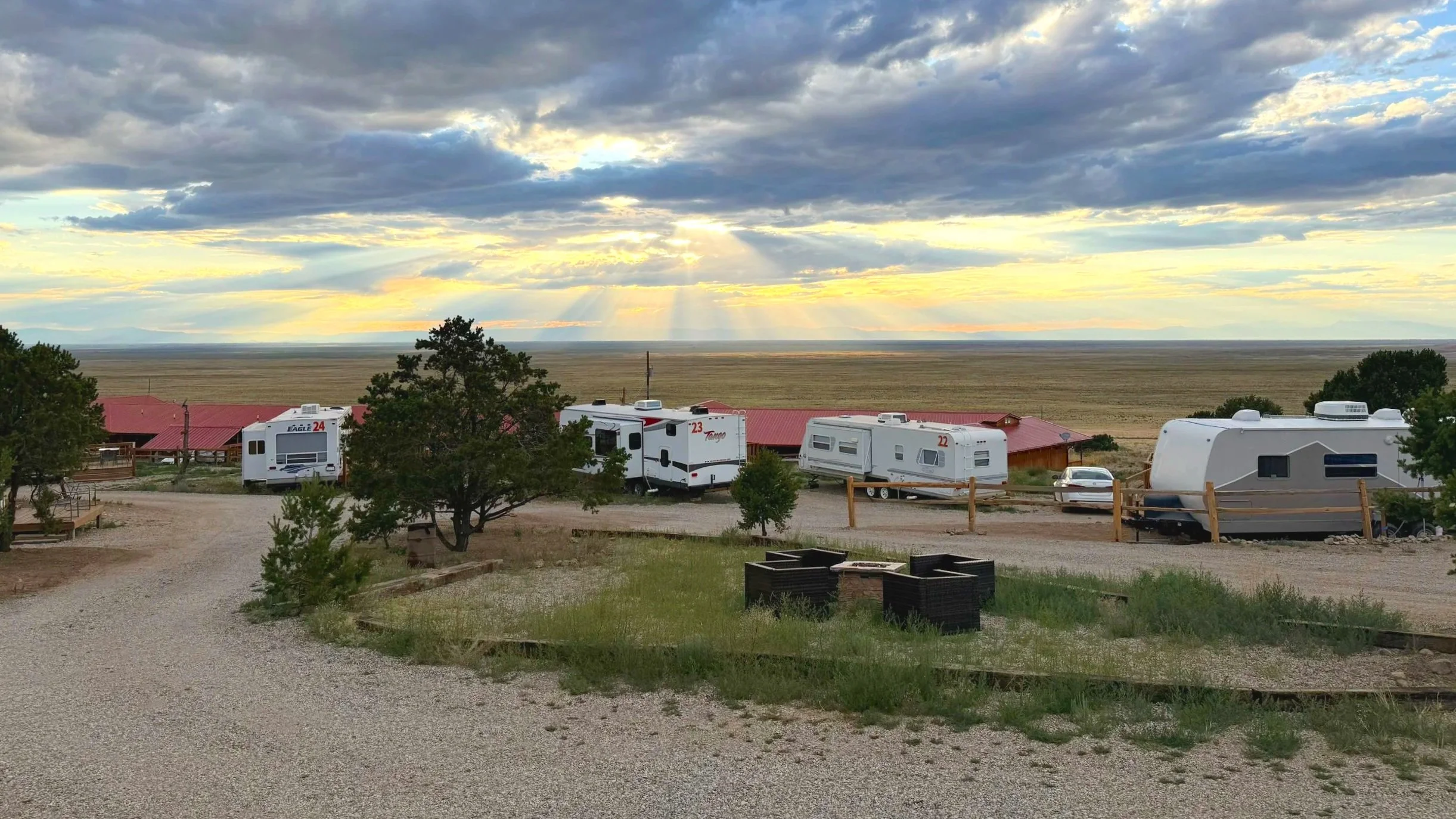
Many people choose to drive an RV, camper van, or a car big enough to hold all your gear and allow you to sleep in it. This is a great option that can help you save on lodging, but there may be some limitations. For example, if you will be driving in mountains and along curvy roads, long RVs may not be allowed.
Electric cars are becoming increasingly popular throughout the United States. My husband drives one. We never road trip in his car though—even with the availability of charging stations, there are many remote areas that do not have them and if they do, some stations take hours to fully charge a car.
Road trip tip #5: Make sure you are up to date on your car’s maintenance.
Get an oil change and tire rotation just before your trip if you haven’t in a while (or can’t remember the last time you did) and address any car problems you have been having so they don’t cause problems in the-middle-of-nowhere, USA. On my latest road trip to New Mexico’s national parks, I noticed that my car made an unpleasant sound when I pushed on my brakes. I instantly regretted not addressing it sooner and felt very fortunate that no issues arose.
Road trip tip #6: If you will be flying to your start city or if you don’t own a vehicle, compare online prices for cheaper car and RV rental options.
There are many places you can look online for rental cars, such as Expedia, Discover Cars, and Booking.com. If you want to rent an RV, check Cruise America or RV Share.
Be sure to get full coverage insurance for your rental (or ensure your regular auto insurance extends to rentals) and carefully read all terms and conditions to be aware of hidden fees. Many rental car companies charge additional fees for drivers under the age of 25.
Also, don’t forget to bring equipment to charge your phone while driving (i.e. a phone cord and an adapter). Some rental cars only have usb ports and some only have usb-c ports. Bring an adapter for each, just in case.
Road trip tip #7: Consider your budget when planning your transportation.
If you rent a car, it will likely be one of your biggest trip expenses.
Whether you rent or use your own car, take into account gas prices (which will be much higher along coasts and remote, but popular areas), gas mileage for your car (which will affect how often you need to stop for gas), and unplanned expenses that may come along with driving. For example, I once had my windshield wiper fly off my car when driving on a windy, snowy highway and had to get them replaced.
Step 3 – Set Your Itinerary
For many, the appeal of road tripping is the spontaneity—realizing a three-day weekend is coming up and just hopping in your car to wherever your heart desires is pretty freeing! However, even spontaneous trips need to be somewhat planned, especially if you will be driving long distances.
Step 1 was all about planning your route—the general overview of your trip. Step 3 gets into the nitty gritty details, from where you’ll sleep to which attractions you’ll stop at between your starting point and ending point. You can even consider where to eat, shop, and get gas if you want to be extra prepared!
Road trip tip #8: Use Google Maps to plan your itinerary.
Scouring Google Maps is an easy way to search for things to see along your route and get a satellite view of what places you will pass look like. You can even use it to map out gas stations along the way—I plan a gas station stop every three hundred miles or so, to ensure that I never get stranded in the middle of nowhere.
Each location—whether it’s a restaurant, roadside attraction, or even a gas station—will probably have reviews on Google Maps, which help me decide my itinerary (I’ll be stopping at the gas station with the clean bathrooms a mile further down the road, thank you very much!).
Using Google Maps and tourism websites, I like to plan a variety of activities to keep the trip interesting and usually plan for one main activity a day and up to two smaller activities. The main activity is the priority, so I always plan for it first.
For example, in a recent trip to Southern Utah, I wanted to finally hike down into the hoodoos at Bryce Canyon, so I started my day with that. To my surprise, I had time after the hike to soak in a hot spring in the heart of Utah and then end the day with ice cream from a cute roadside barn. (Wow, that truly sounds like the perfect day…)
Once you’ve chosen attractions to stop at along your route, book your lodging and purchase tickets to any attractions that need to be reserved in advance. If you plan on camping, be aware that many campsites fill up quickly during popular times—especially Memorial Day weekend, Labor Day weekend, and July 4th—so reserving a campsite ahead of time where possible is best.
Of course, there may be times when you start planning for your road trip late in the season or super last minute, which leads to my next tip.
Road trip tip #9: Make a back-up plan!
When I visited Great Basin National Park in Nevada, I drove the “loneliest road in America” to reach it, which took over three hours from Salt Lake City. Each of the campsites in the area were first-come, first-served only, and by the time I got there many had filled.
I spent the first hour of my time in the park driving to all its campsites, looking for availability. Luckily, I found a spot and didn’t need to use my backup plan (a campground an hour away!), but I was glad I did have one just in case.
Road trip tip #10: As in planning for transportation, consider your budget for your itinerary.
Besides transportation-related expenses, other expenses will include tickets/passes for attractions, food, lodging (even if you have an RV you will likely need to pay at campgrounds to park there), and souvenirs.
To save money on food, I always bring a cooler when I take road trips so I can pack things or get things from a grocery store along the way instead of constantly eating out. I sometimes also plan lodging with kitchens (or campgrounds) where I can cook as well.
To save money on lodging, I always compare prices on booking.com or hotels.com. Before my New Mexico road trip, I scoured those two websites to find lodging under $100 that was clean, smelled good, and provided free breakfast (another great way to save money on food). In total I only spent $384 on four nights of lodging and all locations I stayed were very nice and safe.
If there’s an activity you don’t want to miss, but know will be pricy—like ziplining at Sundance Mountain Resort or rafting down the Snake River near the Grand Tetons—plan for it in your budget and then look for free activities to do near it.
For example, most roadside attractions, like Cadillac Ranch in Amarillo and Seven Magic Mountains near Las Vegas, are free! Many outdoor activities, like swimming, hiking, and sports you own the gear for are free, too.
If you will be visiting a lot of National Park Service locations (which includes national parks, monuments, historic sites, and more), buying an annual park pass for $80 grants access to it all! If you’re traveling in a group in the same car, split costs where you can to make things less daunting—$80 divided five ways is only $16 per person. (Just note that only the person who signs the card can use it.)
Overall, traveling outside of the main tourist season also helps to save money. Gas prices skyrocket during the summer months around Yosemite (when I lived there it got up to a painful $6.80 per gallon), and a dramatic increase like that happens all over the USA.
Lodging is generally more expensive during the high tourist season as well. Tourist season can mean summer in most places, but also includes wintertime around mountain resort towns, Christmastime for Disney World and Hawaii, and beach destinations during spring break.
Step 4 – Prepare for Emergencies
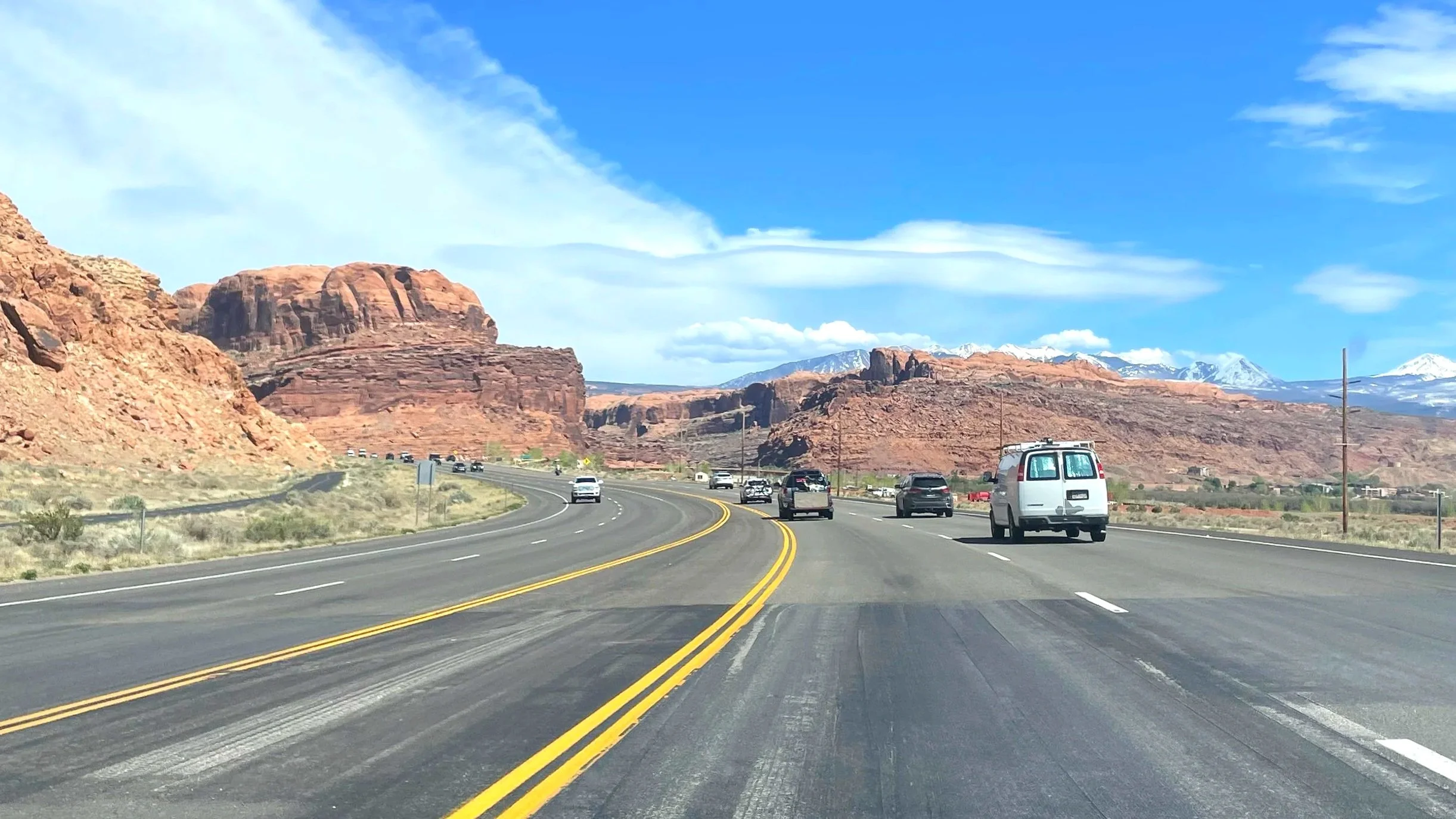
A lot can go wrong on a road trip—car issues, car accidents, weather events, and more. Don’t be caught in the middle of nowhere with no plan for how to get through those types of situations.
Road trip tip #11: Plan for times without wifi.
Part of road tripping in America means going to remote places you can’t get to any other way. Even though Yellowstone is one of the most visited national parks in the country, there is no cell service in most of the park, including at Old Faithful.
It’s important to learn how to follow road signs. I also always download an offline map from Google Maps for the places I will be visiting. When offline, it won’t show data like reviews and all the routes you could possibly take, but it will help you get from one place to another, even without service. You can also consider bringing an atlas or road map, as long as they are up to date.
Many cell phones now offer satellite calling, which can be very useful in emergencies (for international travelers, call 911 during emergencies). To help responders find you in an emergency, pay attention to mile markers on the road or landmarks you are near, such as highway exits or prominent geographical features.
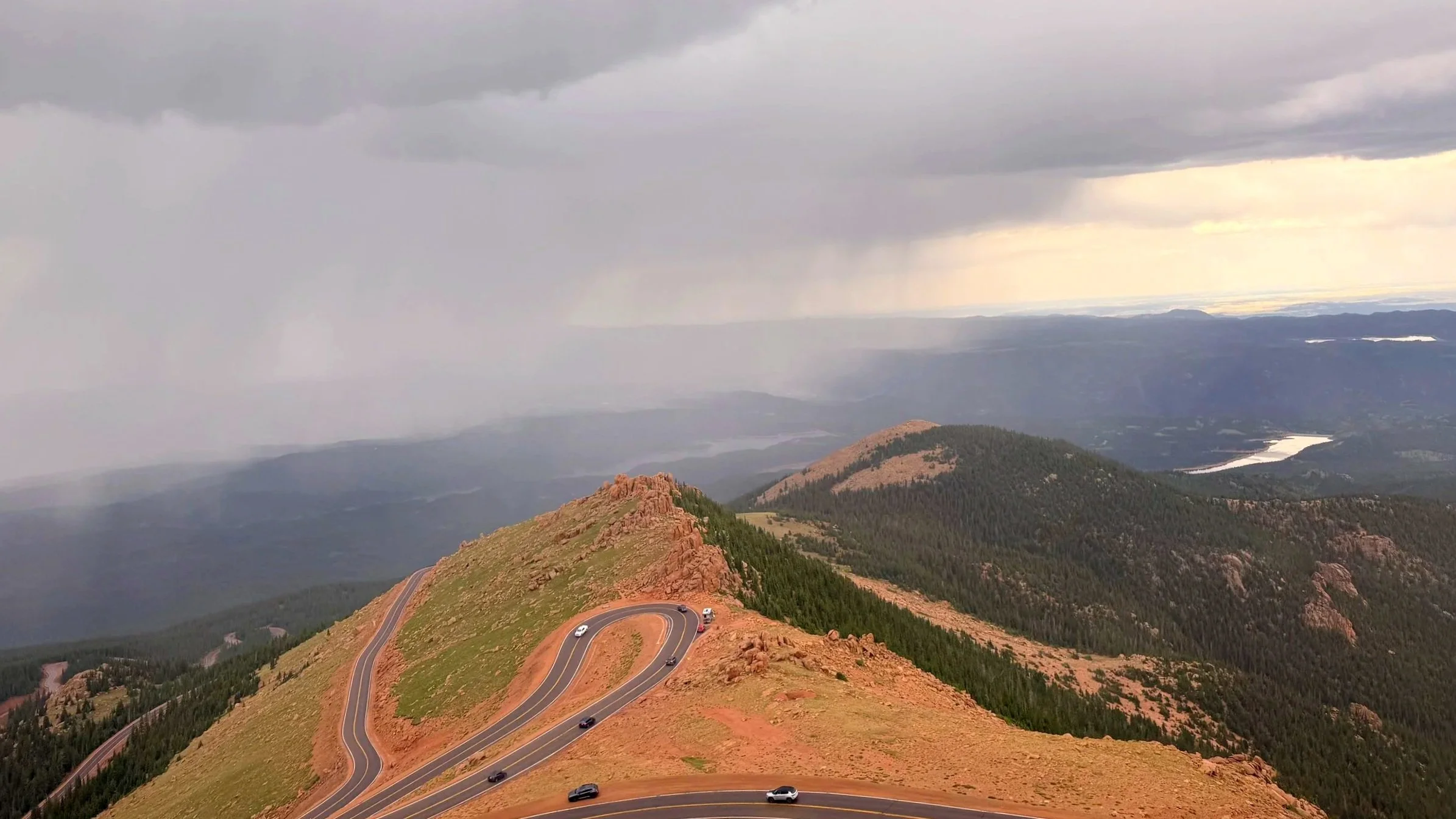
Road trip tip #12: Know what to do during bad weather.
I have road tripped throughout Florida, especially when I worked at Magic Kingdom in Disney World, and faced some heavy rain. During hurricane season, it is especially important to know when to seek shelter and how to drive safely when the road is drenched.
In Wyoming, I once encountered a closure on the freeway due to heavy snow and had to drive six hours south to go around the Rocky Mountains to get to the east coast.
Always check the forecast for the day on the route you will be on and have a backup plan for road closures and severe weather events. Also be prepared with specific equipment you may need for driving, such as an ice scraper and snow tires in wintry locations.
Other equipment that I always carry in my car includes a spare tire, a blanket, water, a first aid kit, a flashlight, an umbrella, and a rechargeable battery jump starter.
Road trip tip #13: Be aware of your surroundings.
Whenever I drive through small towns in America, especially when I’m alone, it pays to be extra aware of my surroundings. Maybe I listen to way too many true crime podcasts (my favorite is Into the Dark if you’re interested), but I have heard so many stories about terrible things that happen to women. There are some rotten people in the world and I hope you don’t face any of them on your Great American Road Trip.
Pay attention to the people around you when getting gas, checking into lodging, and camping. Call me crazy, but if a suspicious person is nearby, I pretend to be talking to someone out of sight or I actually call someone I trust to chat.
I always lock my car when getting gas so no one can walk by and try to steal anything by just opening a car door. I always tell my trusted friends and family my itinerary and keep them updated throughout my trip or share my location. I never tell strangers my itinerary or even that I’m traveling alone, including on social media during my trip. I keep things hidden in my trunk when possible and cover anything that is in the seating area of the car. These are just a few things I do to prevent emergency situations that have helped me on countless drives in America.
Step 5 – Load Up the Car
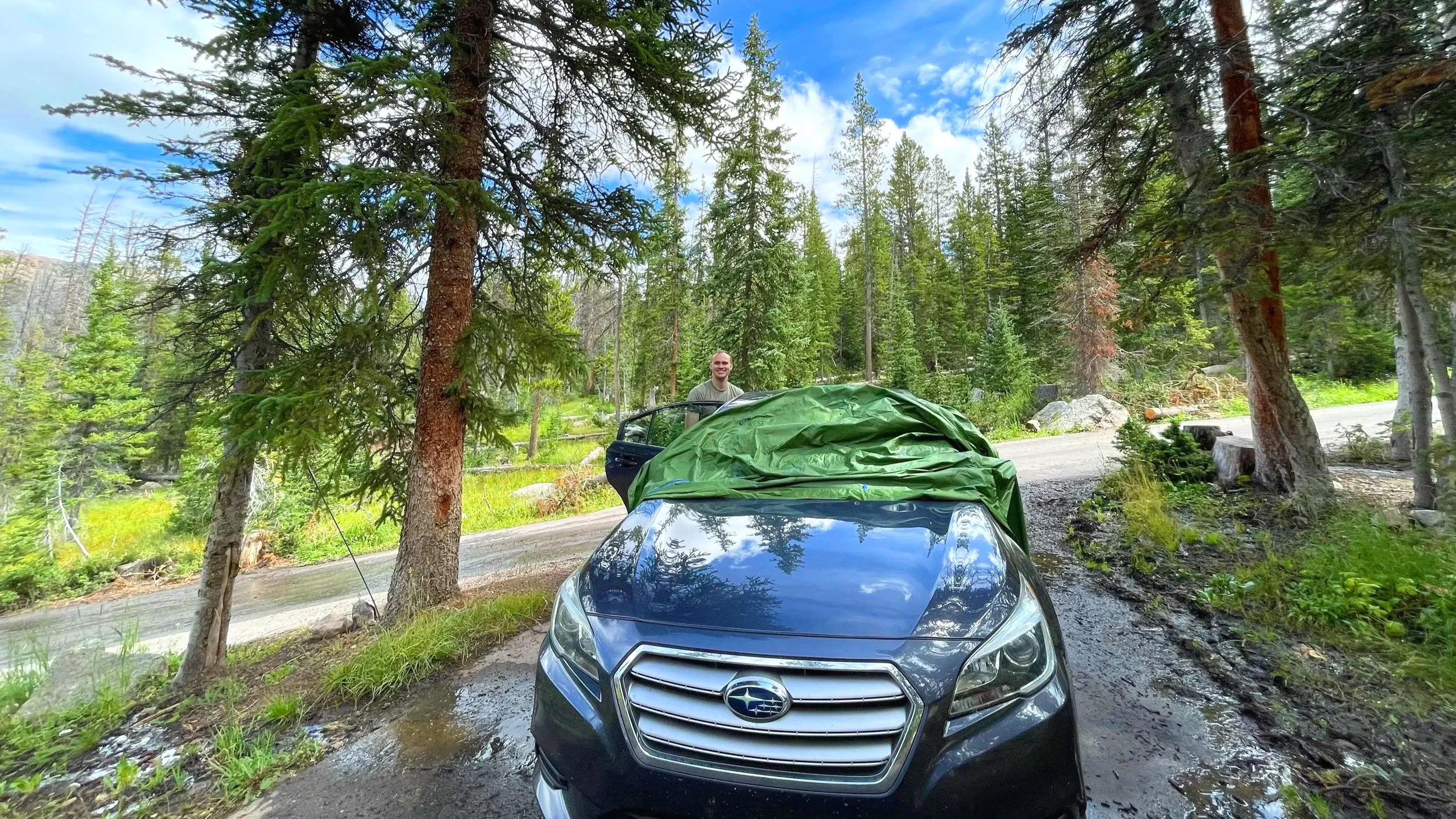
Now that you have your itinerary set, your car settled, and you are prepared for emergencies, it’s time to load up your car with everything you will need! About a week before your trip, run through a packing list for whatever type of trip you will be going on and head to the grocery store or supply store for anything you are missing (i.e. camping trips require a lot of gear, but even city to city trips may require at least a cooler and luggage).
In my early twenties, I road tripped with everything I owned, which made space in my car very tight, but it’s always better to be prepared than sorry you didn’t bring something. Plus, with the proper loading technique, you should be able to fit everything you need!
Road trip tip #14: Load things into your car in order of how often you will need them and/or when you will need them.
In the front of my car I always have a few things easily accessible that I may want during the drive: my wallet, sunglasses, water, food, and a blanket or extra jacket. I reserve my trunk for things that I will only need at night or for specific activities.
I keep things that I will pull out every night near the front of the trunk. This includes luggage with clothes and toiletries and, if I’m camping, the tent and other things I will want to set up right away.
Other gear gets pushed to the back, such as scuba gear, hiking gear, and cooking equipment that I will only be using once on the trip or some nights.
Road trip tip #15: Compartmentalize your belongings.
After you decide what is important to have readily accessible or not, pack things together based on necessity. For example, when camping, I always have one bin with cooking equipment, one bin for recreational supplies, and one bin for things that will go in my tent. This helps me keep track of things and find them more easily.
If I am not camping, but moving from hotel to hotel (or more likely motel to motel), I reserve one suitcase for clothes, one bag for toiletries, a cooler for all food, and one or two bags for other gear. I do this so I don’t have to carry it all inside the hotel each night—the gear can usually stay in the car.
Step 6 – Make the Drive a Breeze
Now time to hit the road! Get excited because there is so much beauty and wonder in the United States. Whether you’re driving along Route 66 and see quirky roadside attractions in Amarillo, or you are on a scenic route through the Appalachian Mountains to the Great Smoky Mountains, there will be more to see and do than you can anticipate, even with all this planning.
Road trip tip #16: Stop for the beautiful moments and have your camera ready.
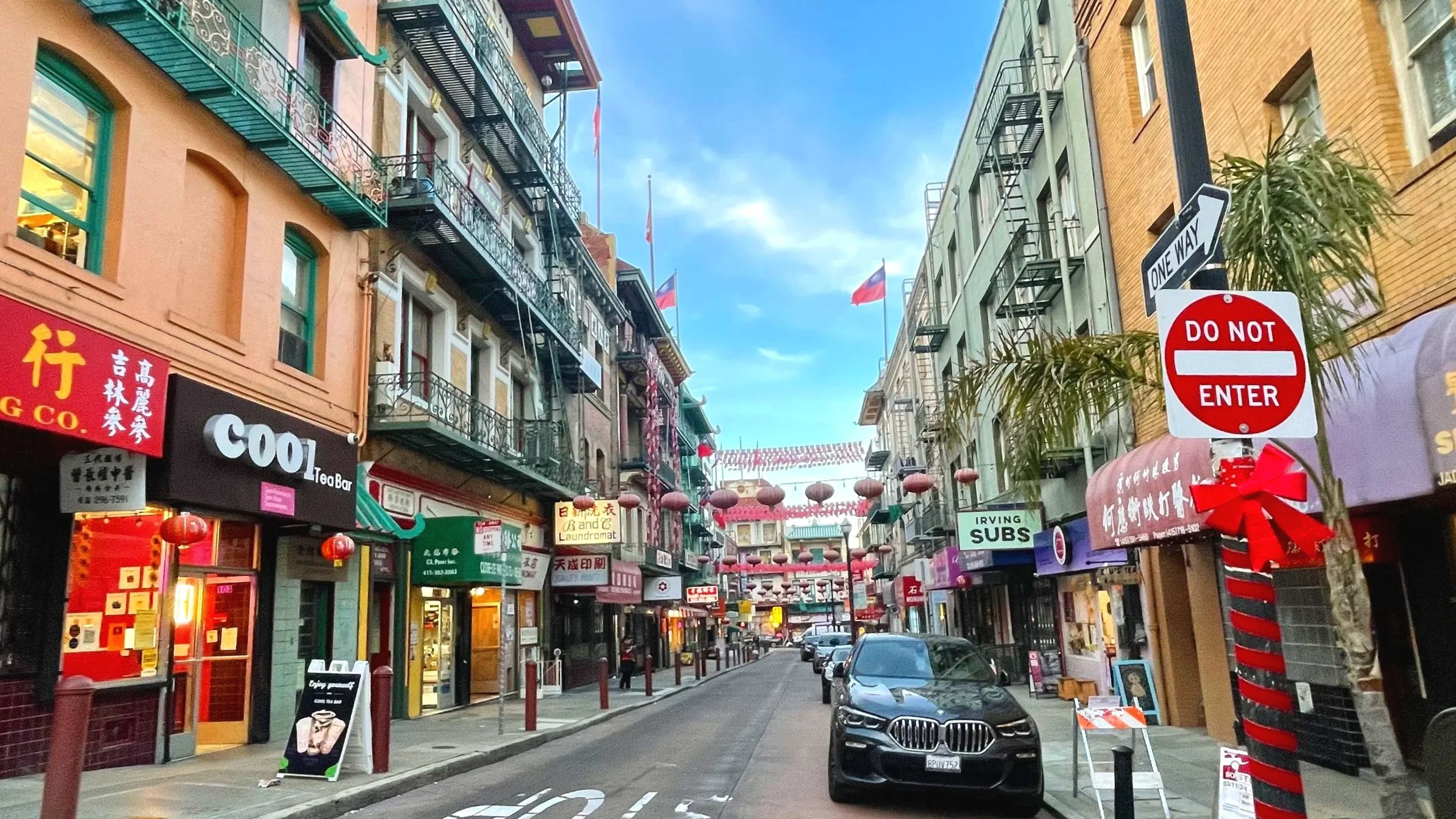
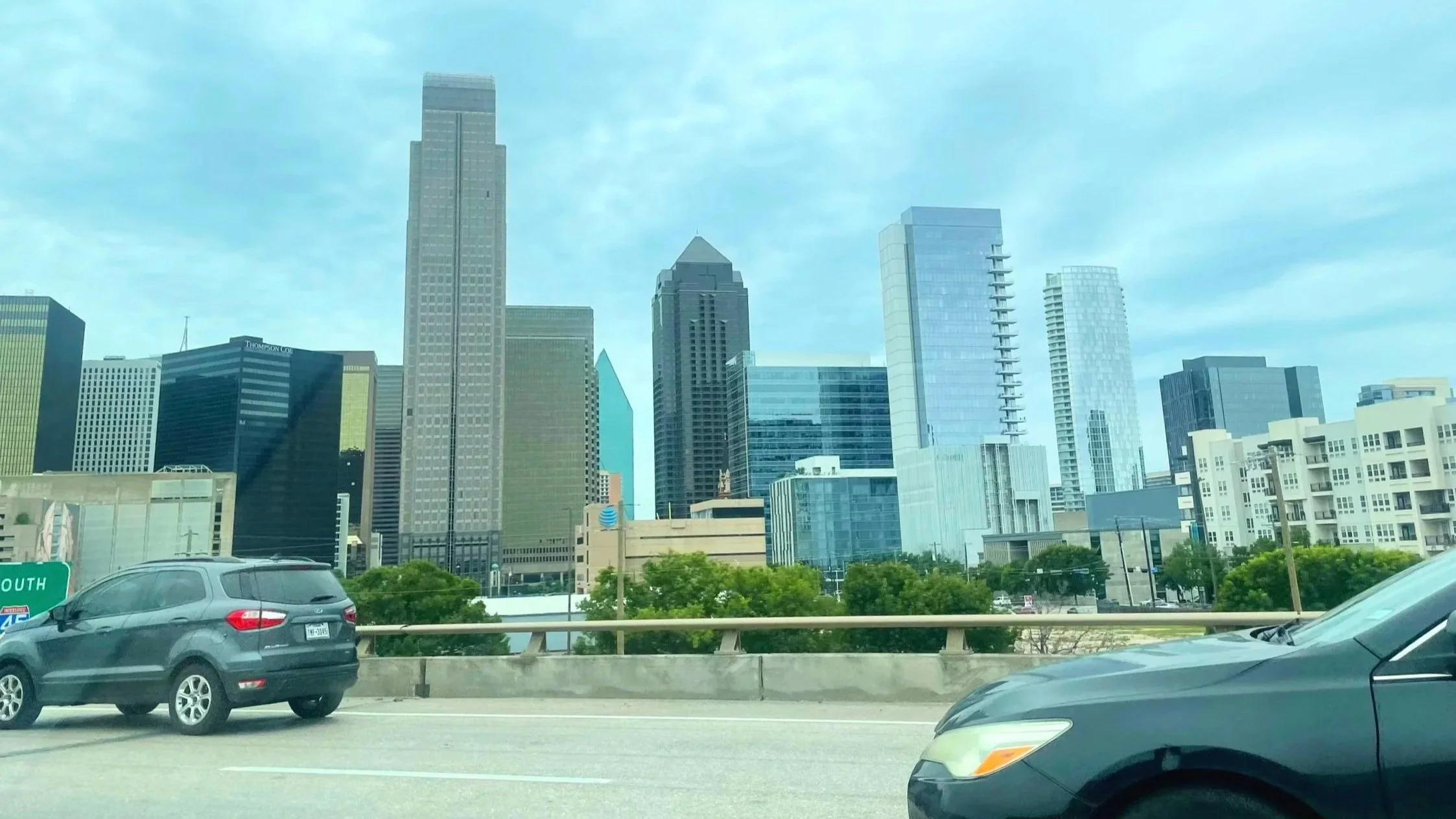
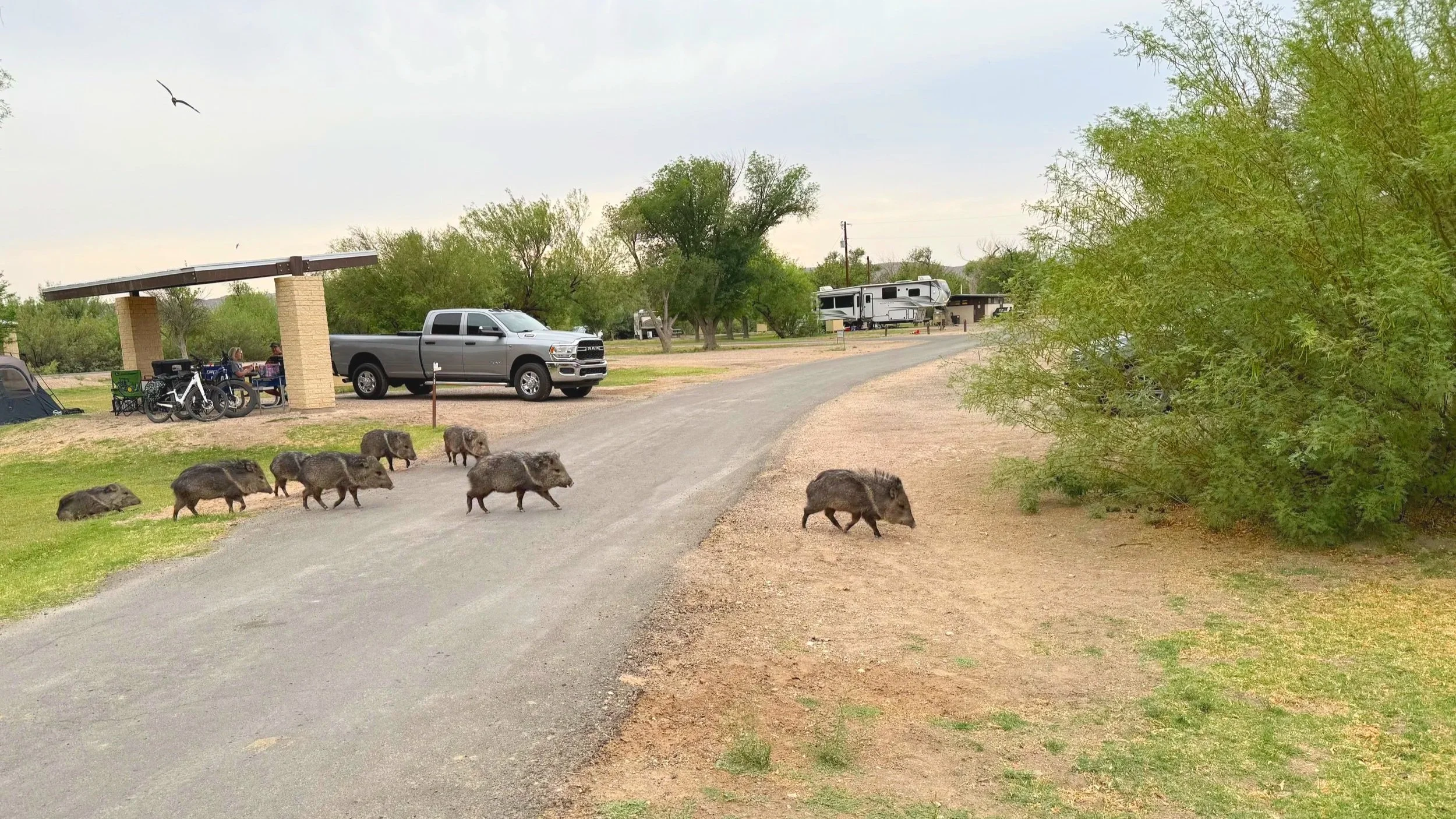
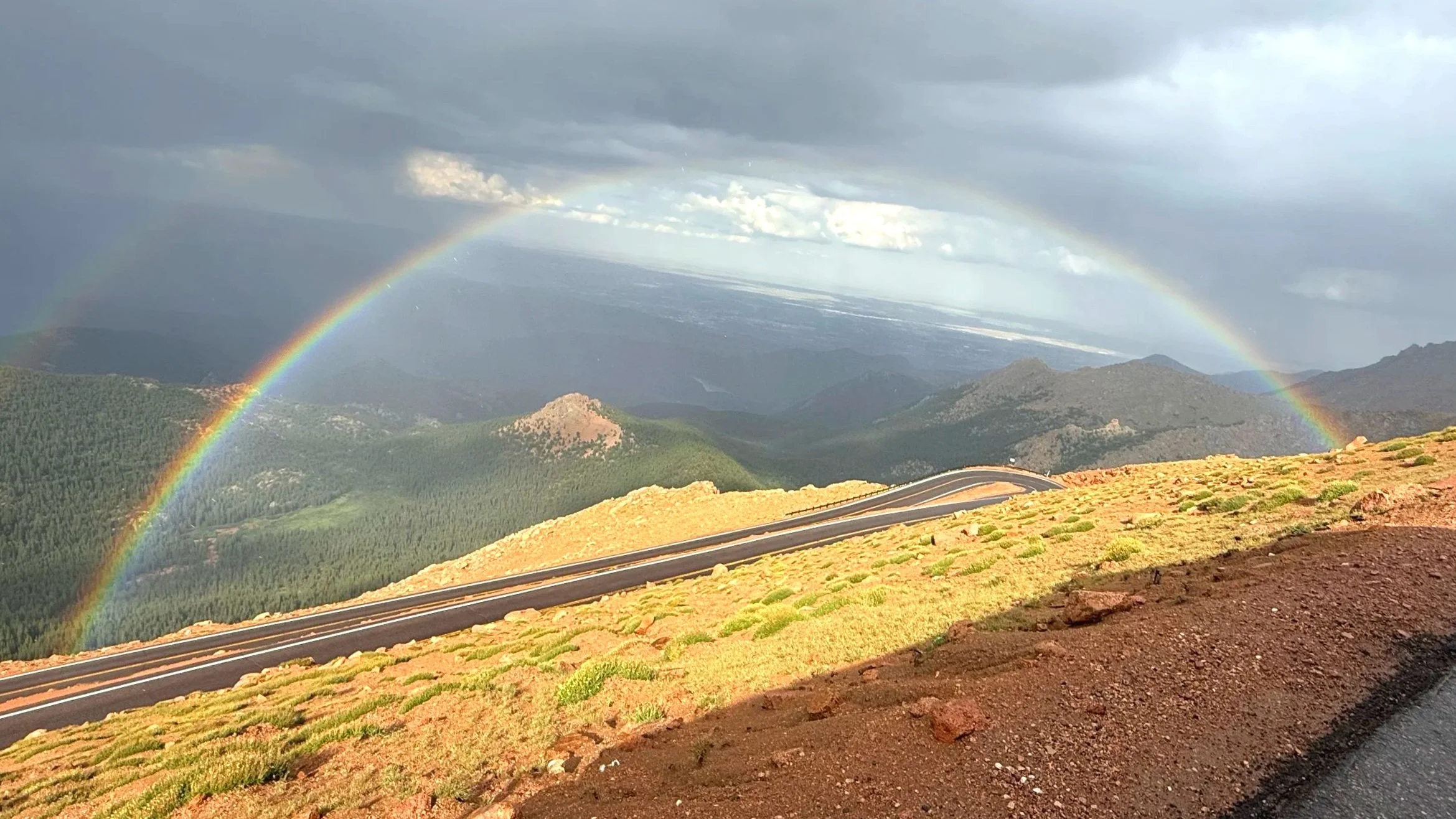
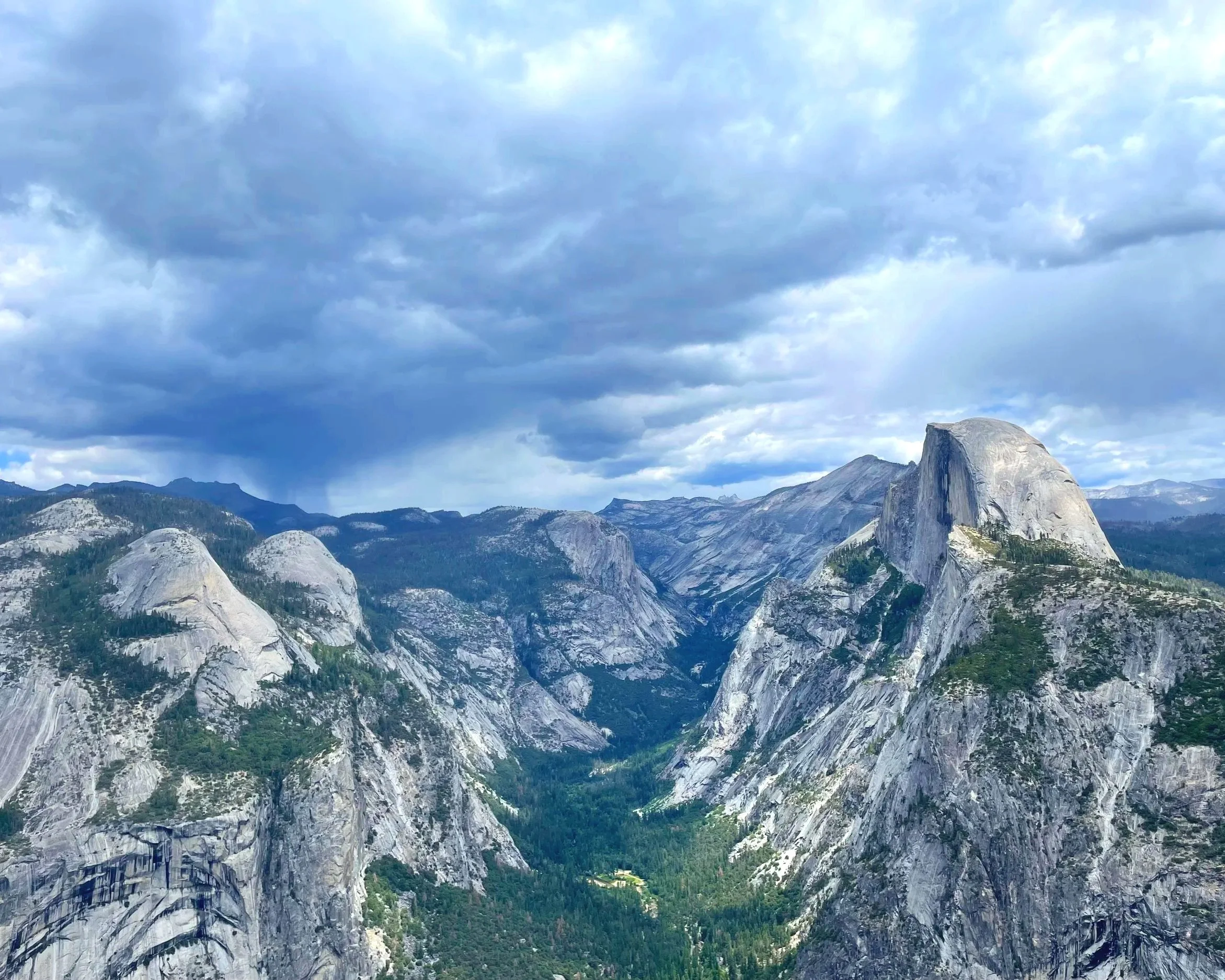
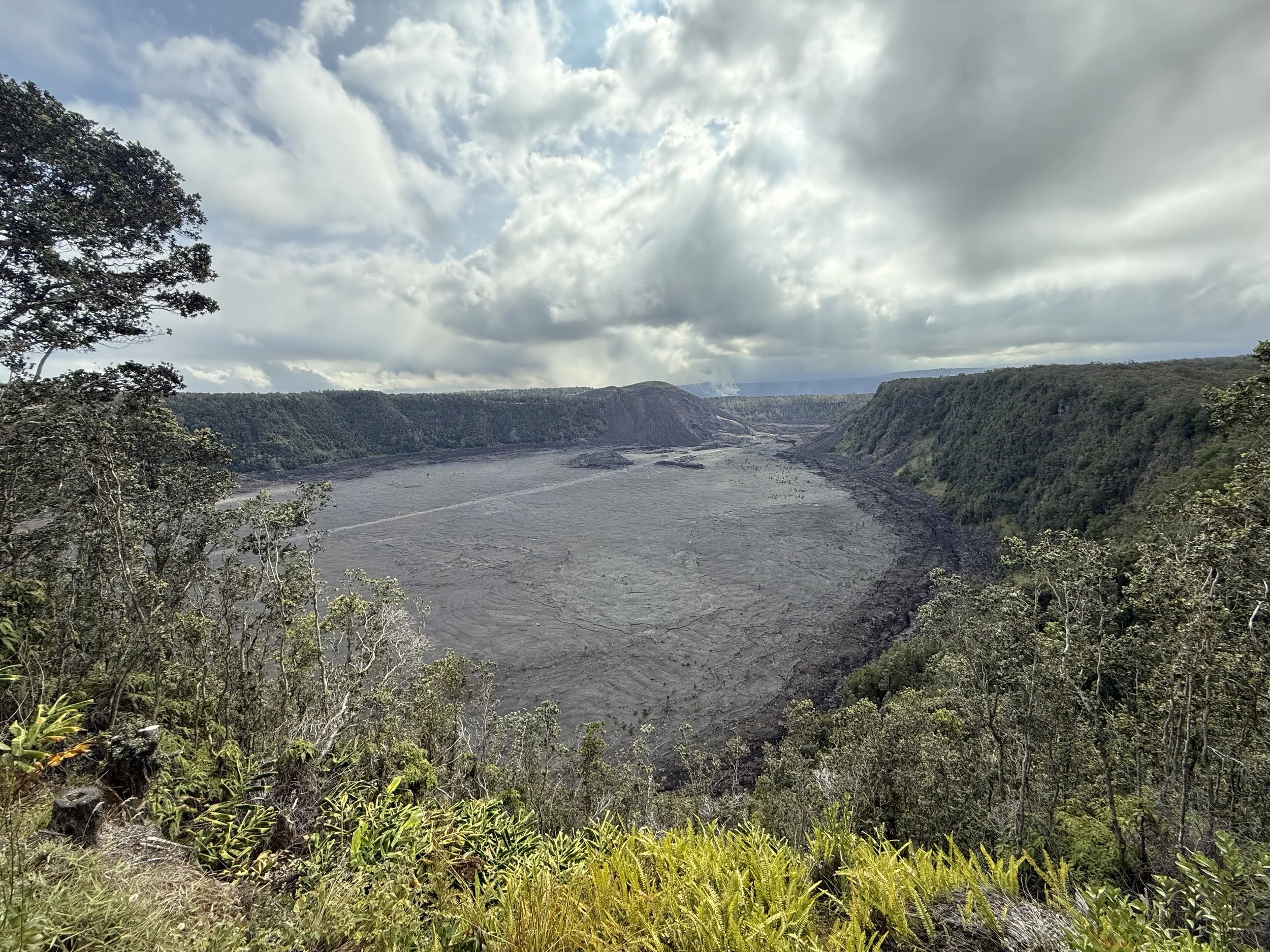
I’ve seen the most incredible rainbow of my life on the side of the road. I’ve seen herds of dozens of bison. I’ve seen waterfalls and fall colors and mountain peaks that take my breath away. All from my car. Most pictures throughout this article have been taken from my car or from a pullout on the side of the road.
Of course, be safe and don’t take pictures if you are the driver and definitely don’t stop traffic to get a picture, but prepare for those unexpected moments of glorious scenery. They are what make each road trip journey unique.
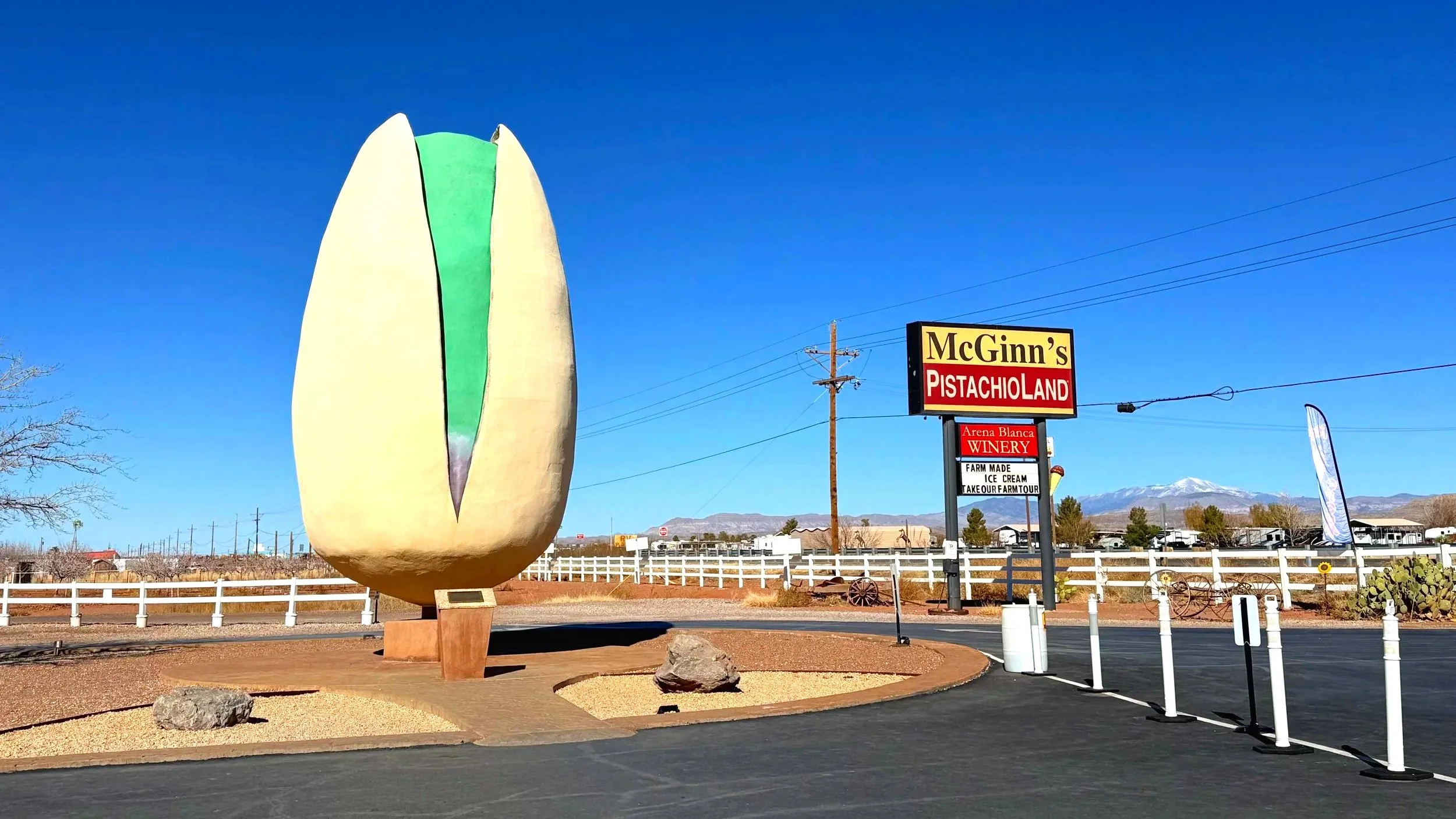
Road trip tip #17: Stop at the unexpected roadside attractions.
On my road trip through New Mexico, I came across the most unexpected thing: a giant pistachio. Apparently they grow a lot of pistachios in Alamogordo and there is a whole farm and store dedicated to my favorite nut. It was one of the highlights of my trip, especially because they served pistachio ice cream.
Moments like that, whether discovered during the planning stage or on the drive itself, can enhance any road trip and sometimes be the most memorable part. So, if you see a fruit stand along the Central Valley in California, or if you see a giant statue of your favorite food brand’s character in the Midwest, slow down and check it out. The destination can wait.
Road trip tip #18: Have a killer soundtrack to listen to. Or an audiobook. Or games to play. Keep yourself entertained!
This last tip may be the key to keeping your sanity on a long drive. As romantic as I’ve probably made road tripping across the United States sound, the reality is that there will be plenty of time spent in the car wishing you weren’t driving. Distraction is the best medicine!
My husband and I have enjoyed listening to several audiobooks and podcasts on long drives. When I travel alone, I blast my favorite playlists, from the Lumineers to Broadway showtunes, and sing at the top of my lungs. When I travel with my siblings and parents, we play games, like racing to find all the letters of the alphabet in billboards and signs. Some families I know bring video games to play and movies to watch!
Whether it’s games and entertainment or perhaps you find yourself in the middle of a deep and meaningful conversation, it’s important to keep your mind active and alert. Everyone in the car will be happier and remember the road trip more fondly if you make it fun!
Time to Drive
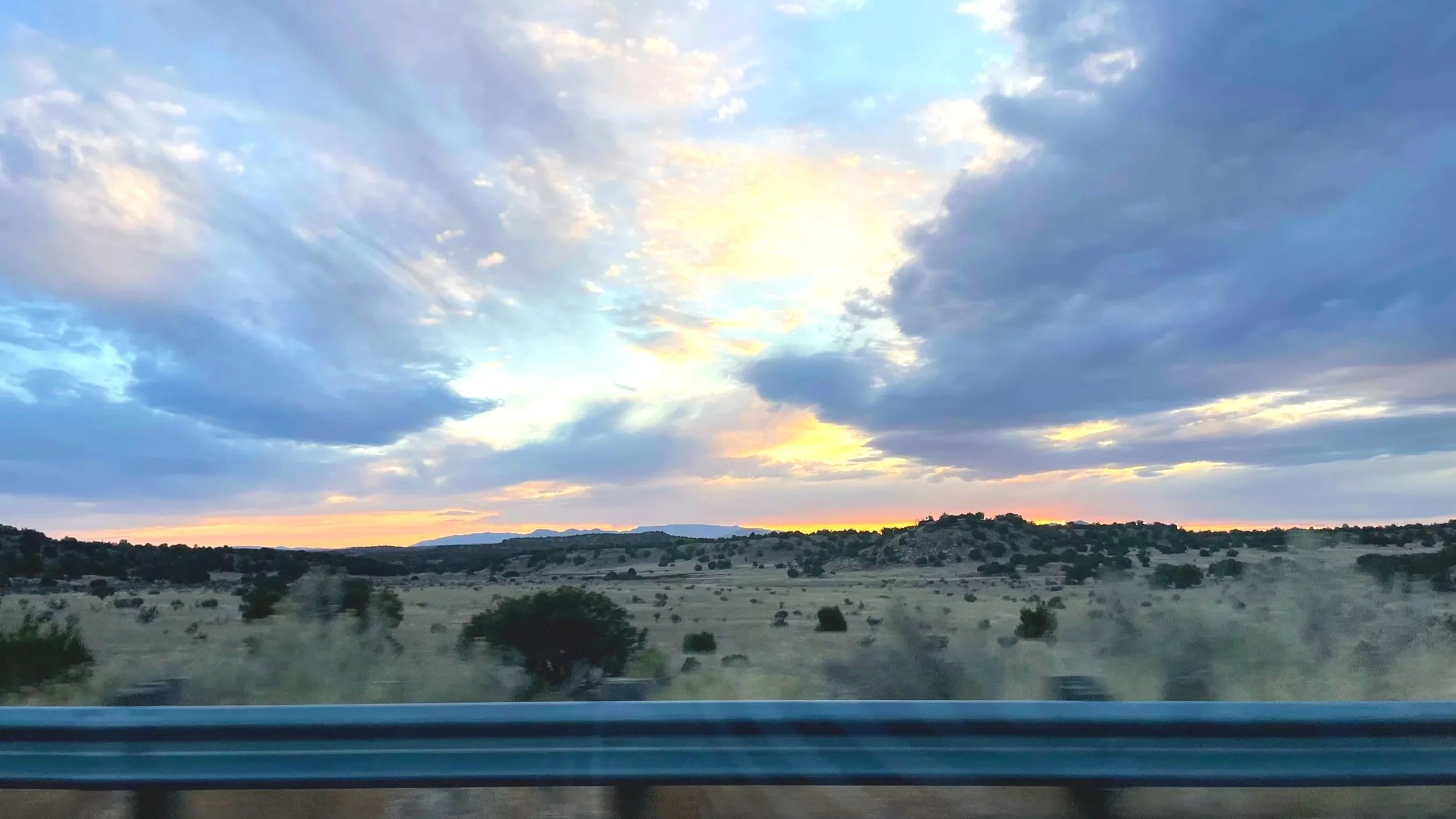
With these six steps you should be set for any road adventure on the horizon.
For ideas on places to road trip to around the USA, see my blog post, 50 Top Destinations to Visit When Traveling to the USA, which lists popular landmarks and national parks throughout the country. The article also gives 10 ideas near the end of the post about specific road trips in the United States.
Safe travels!
Pin for Later
Related Blogs
A trip to Yellowstone can be life-changing. But that change can either be for the worst or for the best, depending on how you prepare for your trip. Don’t make these classic tourist mistakes when planning your Yellowstone trip!